


Pipe Spool Fabrication
Precision in the Workshop, Speed on Site
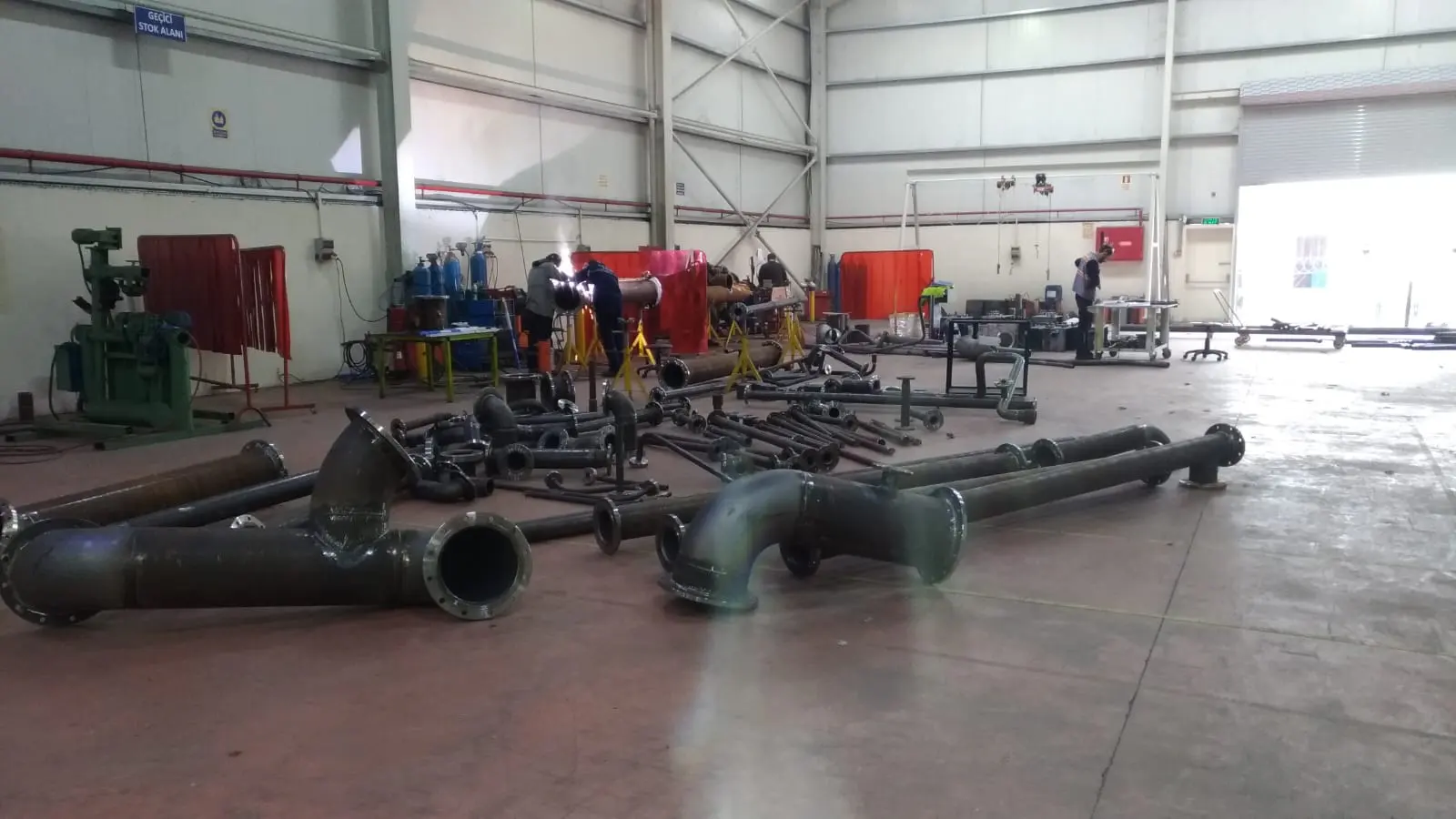
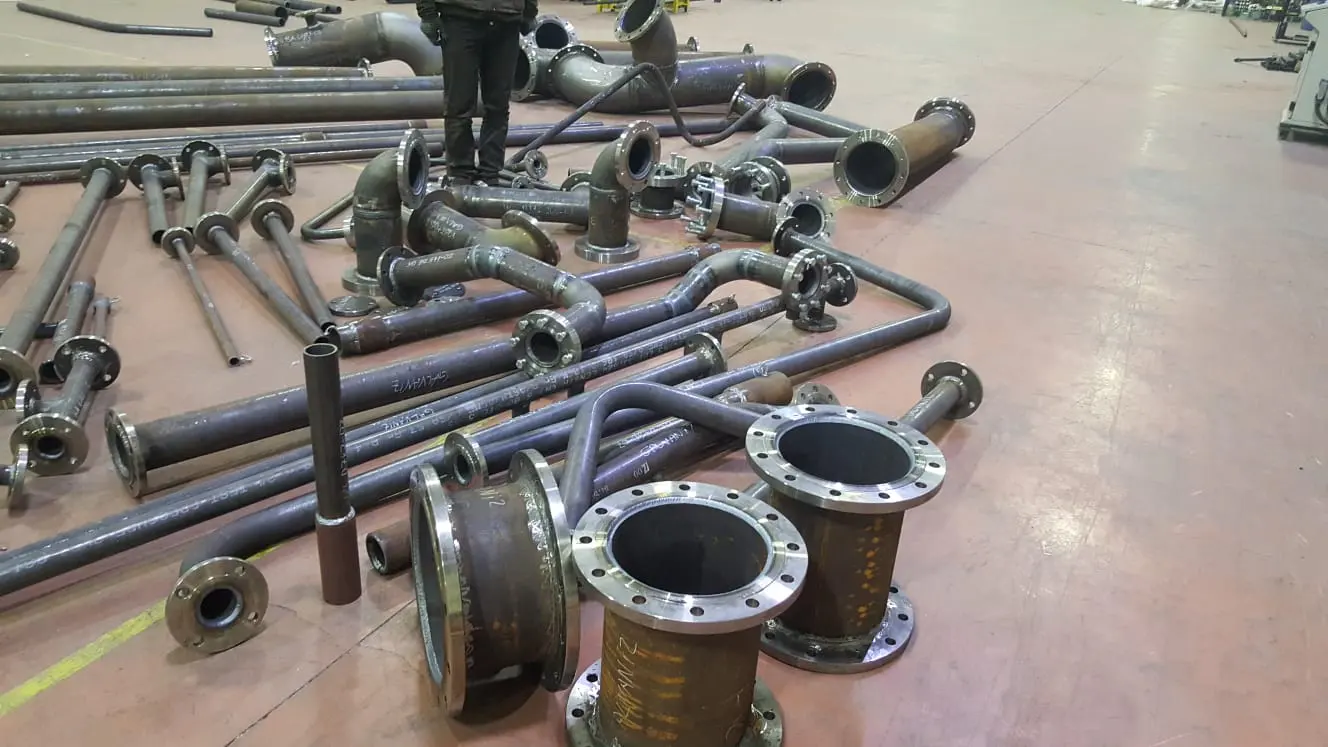
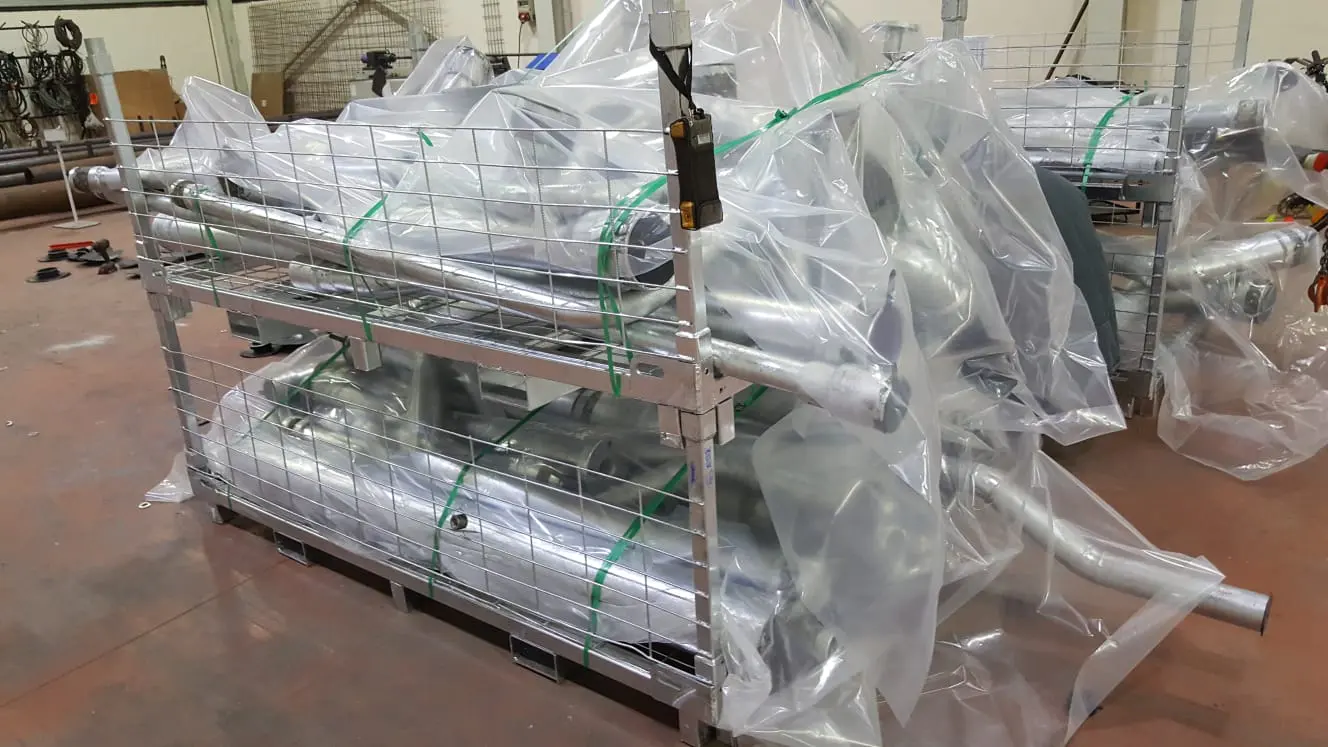
In an industrial plant, piping goes far beyond straight runs. It rises, descends, turns and forms bends. Every piece that connects these complex routes is a spool. Pipe spool fabrication is the pre-production of these pieces in a workshop environment. The manufacturing process follows project drawings and international standards. Prefabricated spool solutions stand out in marine and industrial plant projects. These solutions shorten on-site assembly time. They also improve weld quality and reduce safety risks. In EPC projects, contractors complete 60-80% of pipe welds in the workshop. Prefabrication is therefore the key to project success.
Core Components of Pipe Spool Fabrication
🏗️ Structural Components and Materials
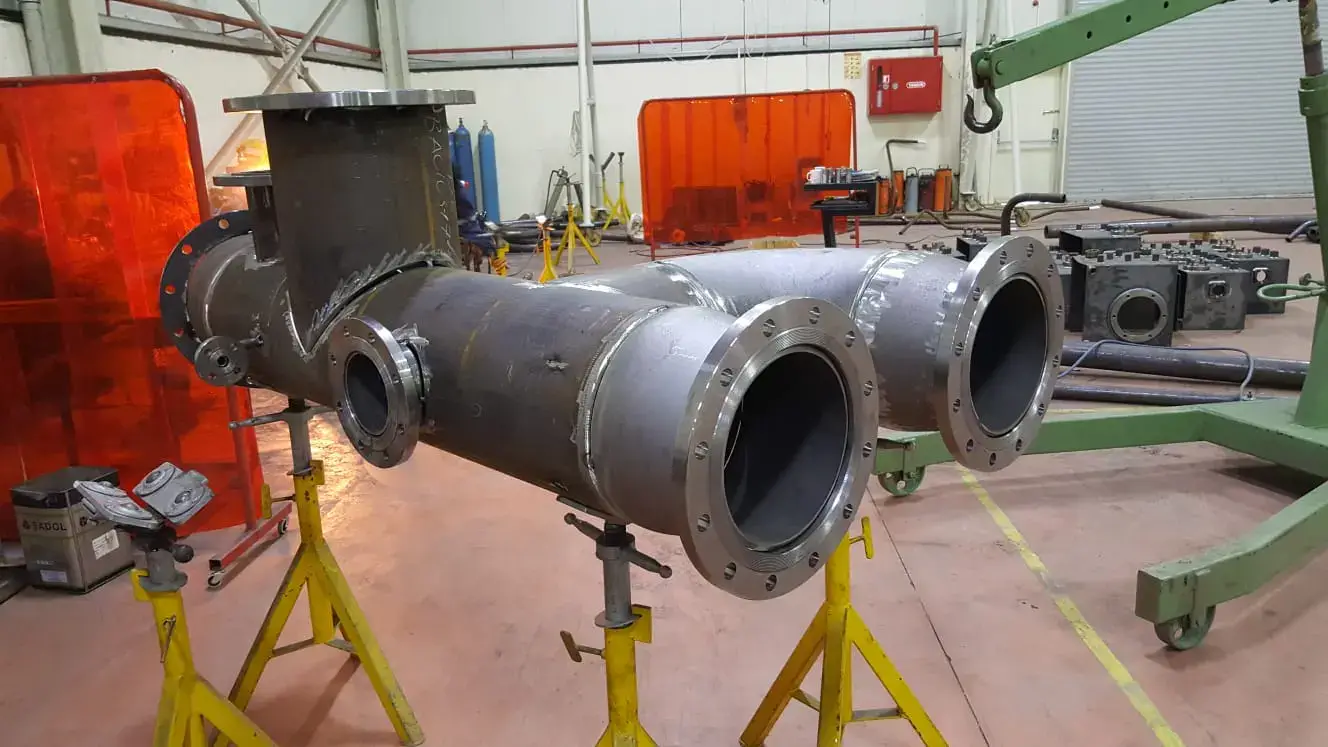
Every spool consists of several basic components. These are pipe, fittings (elbows, tees, reducers), flanges and branch connections. Project requirements determine the material used in fabrication. Carbon steel is ideal for general industrial applications. Stainless steel (304/316) suits lines that require corrosion resistance. Alloy steels (P11, P22, P91) withstand high temperature and pressure. Duplex and super duplex steels are suitable for seawater. These materials also withstand high-chloride environments. The correct material selection meets the pressure and temperature requirements of the spool. It also fulfils the chemical resistance requirements.
📐 Engineering and Design
Pipe spool fabrication starts with isometric drawings prepared for each spool. These drawings contain a great deal of information. The spool number and line number, for example, come first. The bill of materials (pipe, fittings, flanges, bolting) is also included in the drawings. Weld joint numbers and dimensional details are added as well. These details cover cut lengths, angles and offsets. In addition, NDT requirements and site assembly instructions are specified. Isometric engineering is critical to plant efficiency and safety. In this way, the fluid is conveyed with the right material and flawless workmanship.
🔧 Fabrication Process
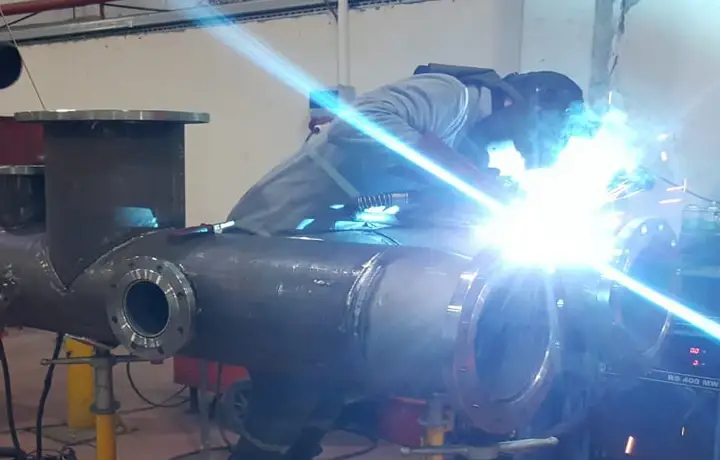
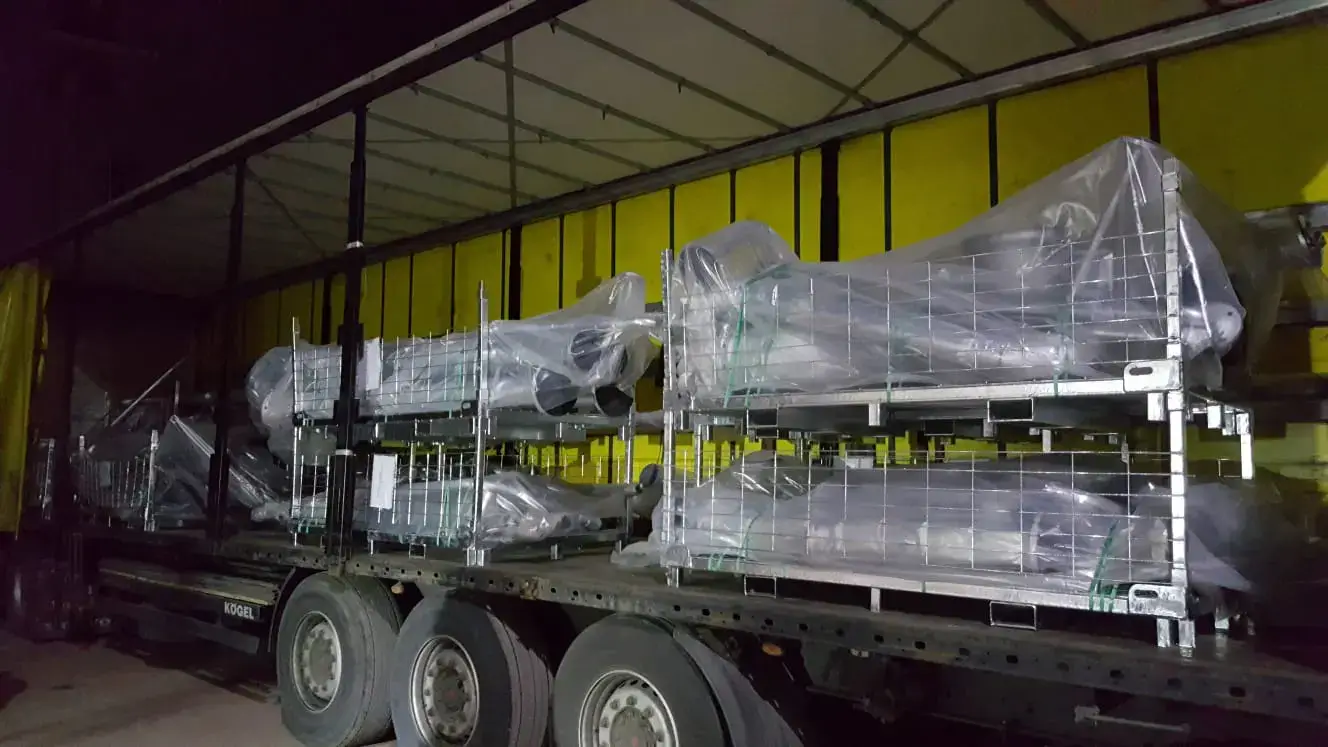
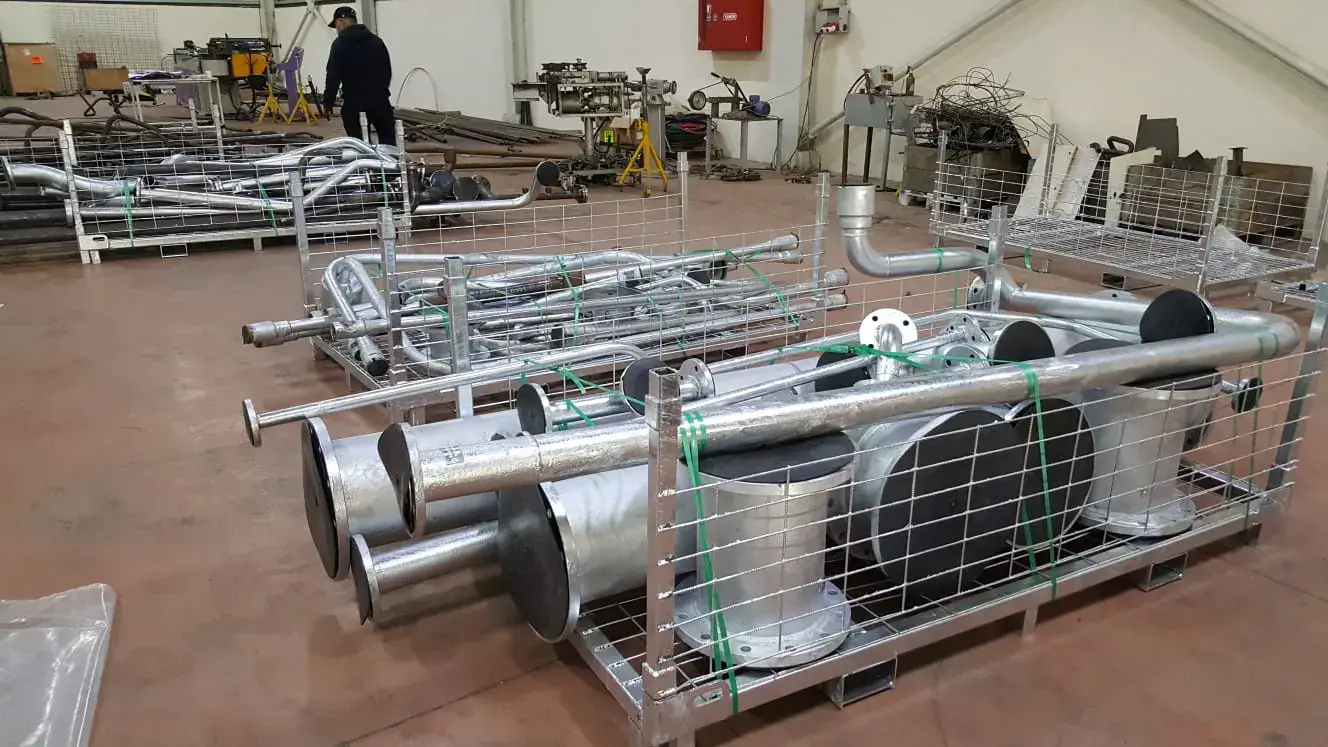
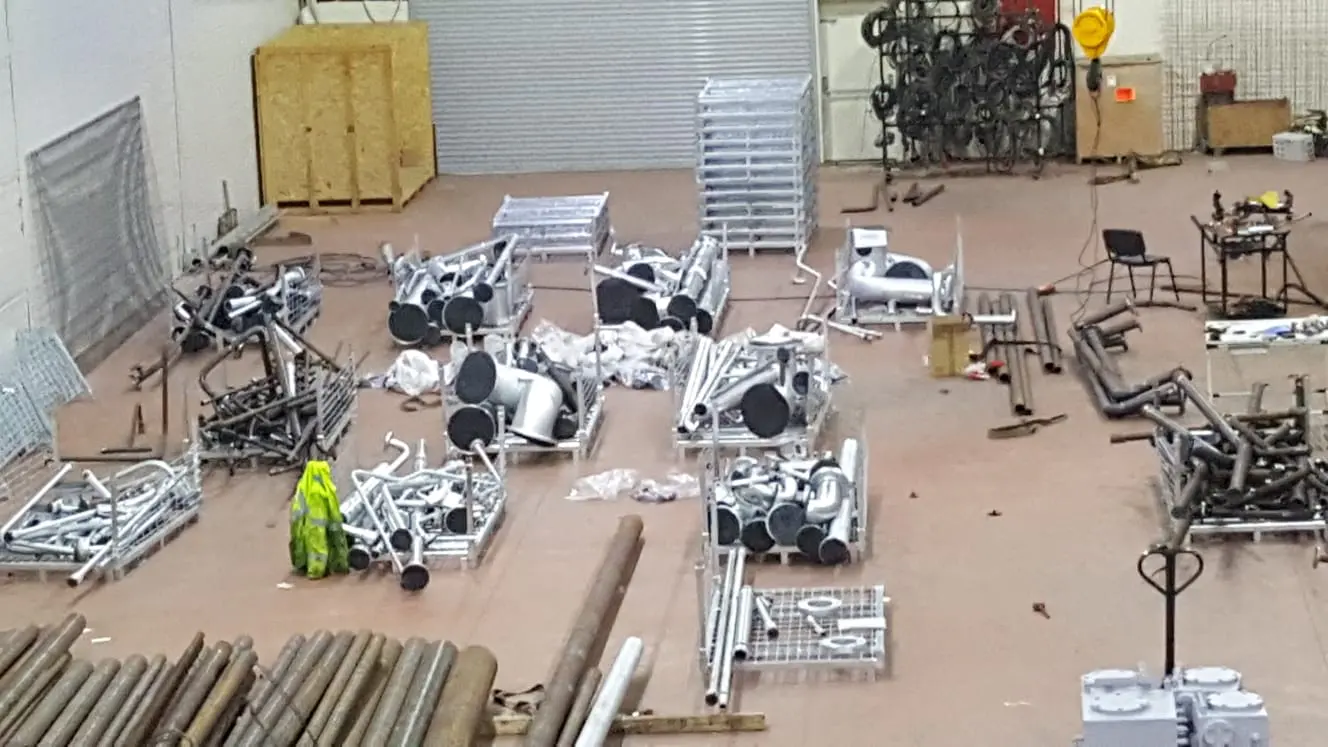
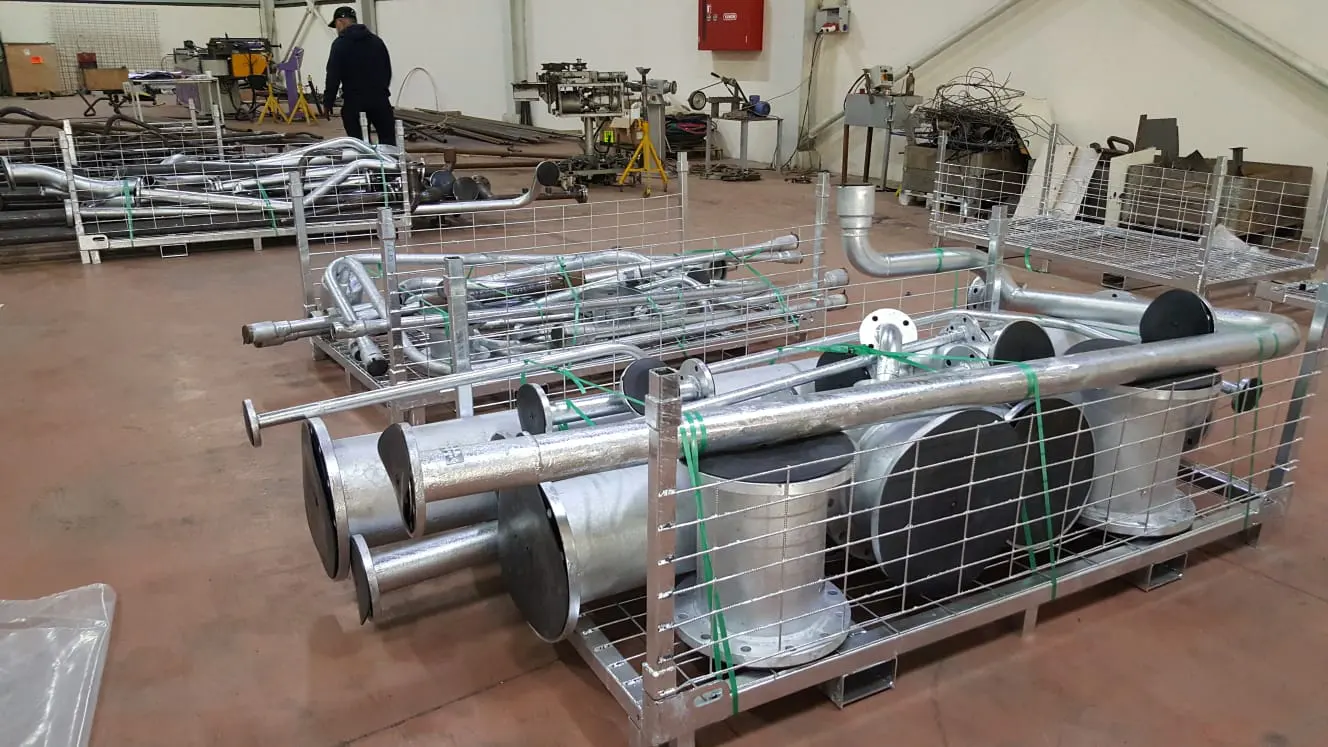
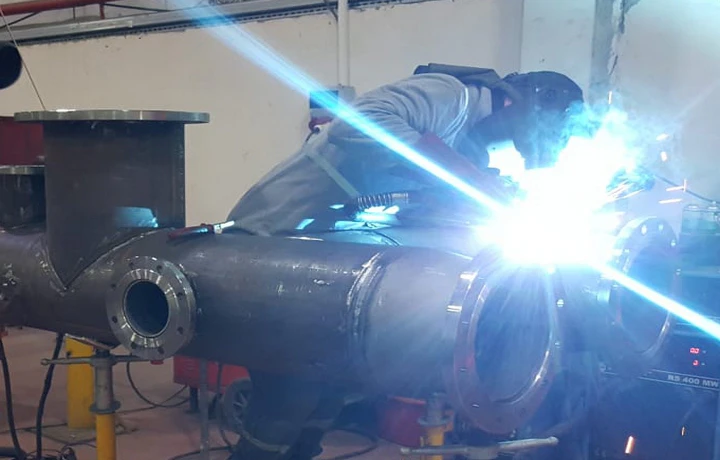
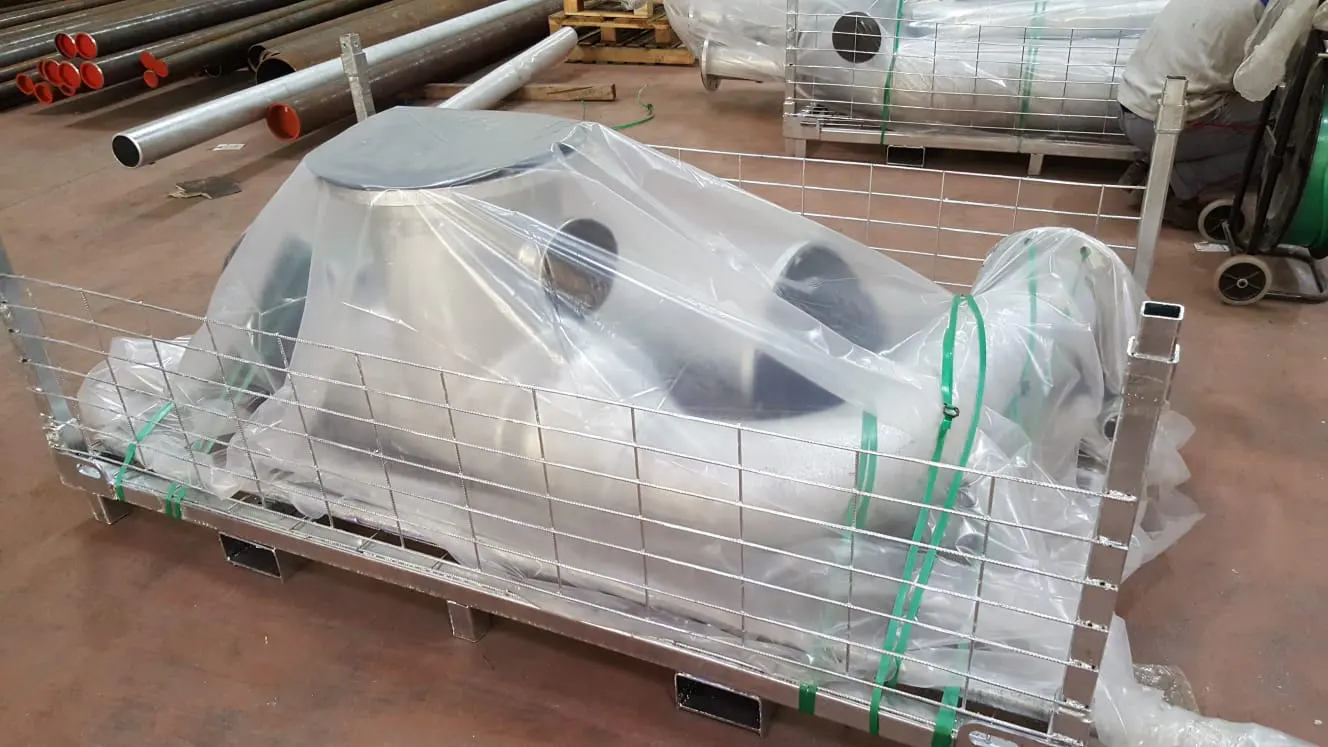
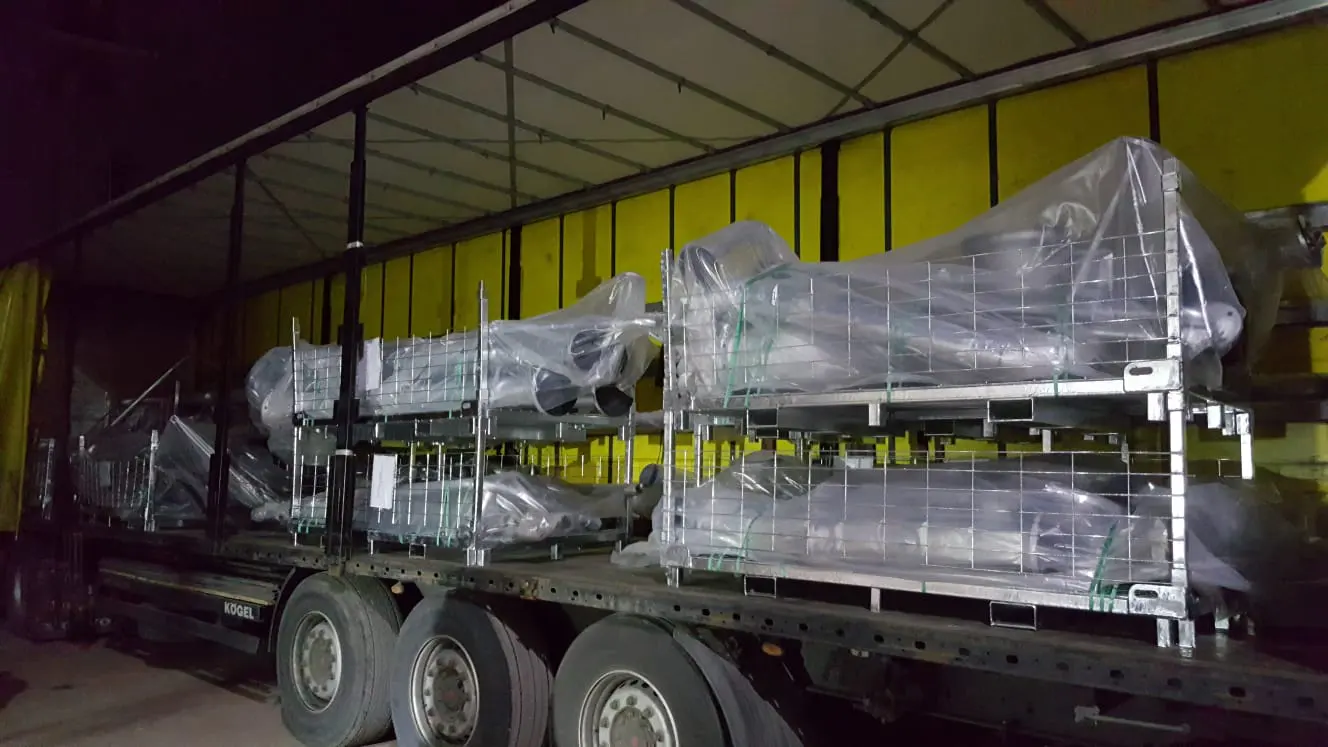
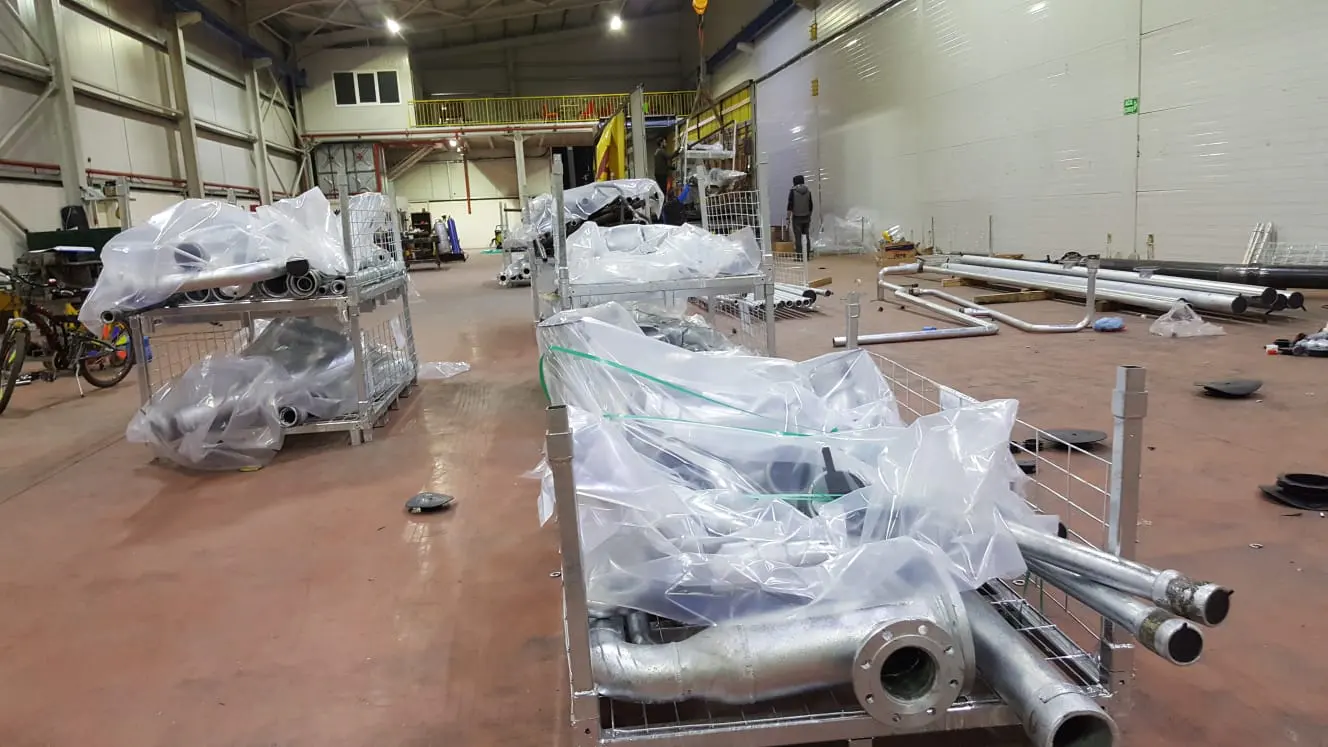
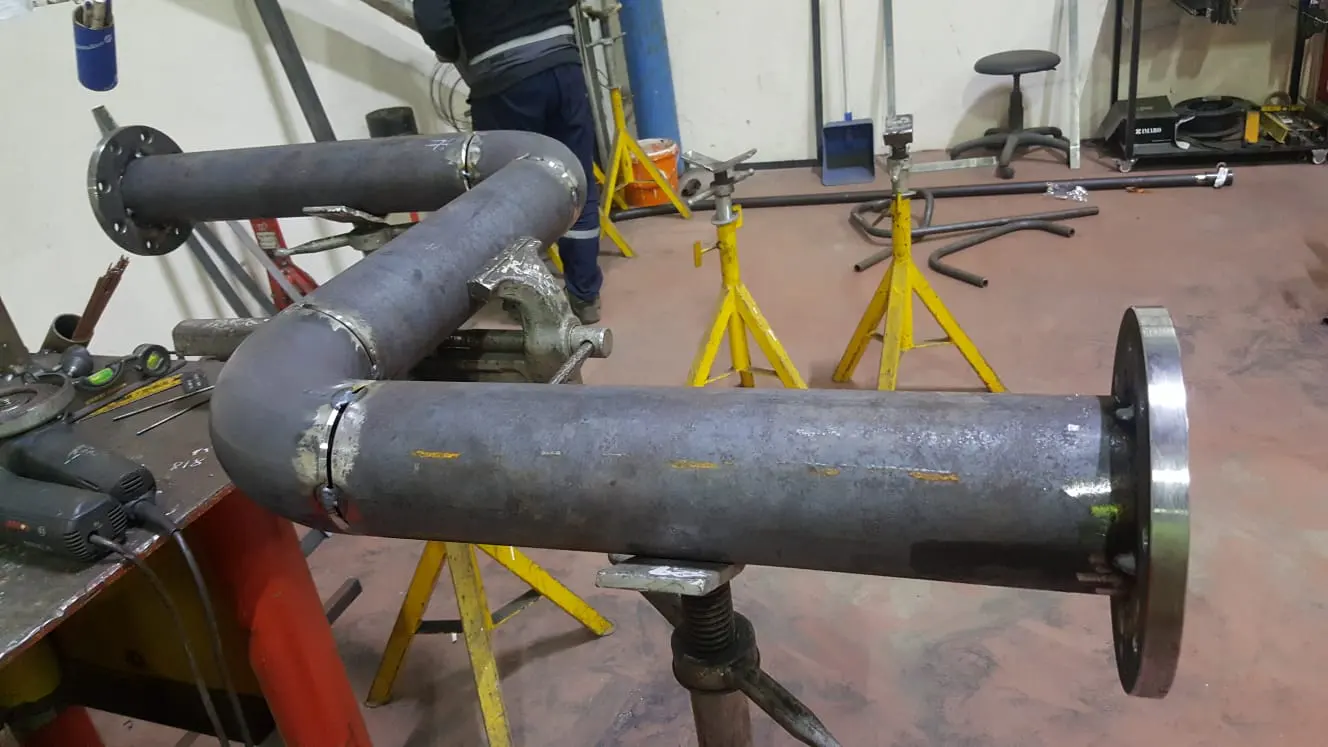
The pipe spool fabrication process consists of a series of carefully managed stages. First, material supply and verification are carried out (MTC 3.1 certificates). This is followed by pipe cutting and beveling. The next step is fit-up and tack welding. Root welding (GTAW or SMAW) is then applied. Filling and cap passes follow. After that, visual inspection and NDT (RT, UT, PT, MT) begin. Where required, PWHT (post-weld heat treatment / stress relief) is applied. Dimensional checks, surface preparation and painting are also carried out. The final stage covers flange protection, end capping, labeling and packing. Welding operations follow procedures (WPS) qualified to ASME Section IX. Certified welders perform these operations.
✅ Quality Control and Testing
Multi-stage inspection processes guarantee the quality of every spool. Radiographic (RT) and ultrasonic (UT) testing detect internal weld defects. Penetrant (PT) and magnetic particle (MT) testing reveal surface defects. Dimensional checks comply with the spool drawing. The face-to-face length tolerance is ±3 mm for NPS 10 and below. For sizes above NPS 10, however, this value rises to ±5 mm. Flange bolt-hole orientation shall not exceed ±1.5 mm. In addition, flange squareness shall not exceed 1 mm per 200 mm of diameter. All tests comply with project specifications and ASME B31.3 standards.
🚢 Marine Applications
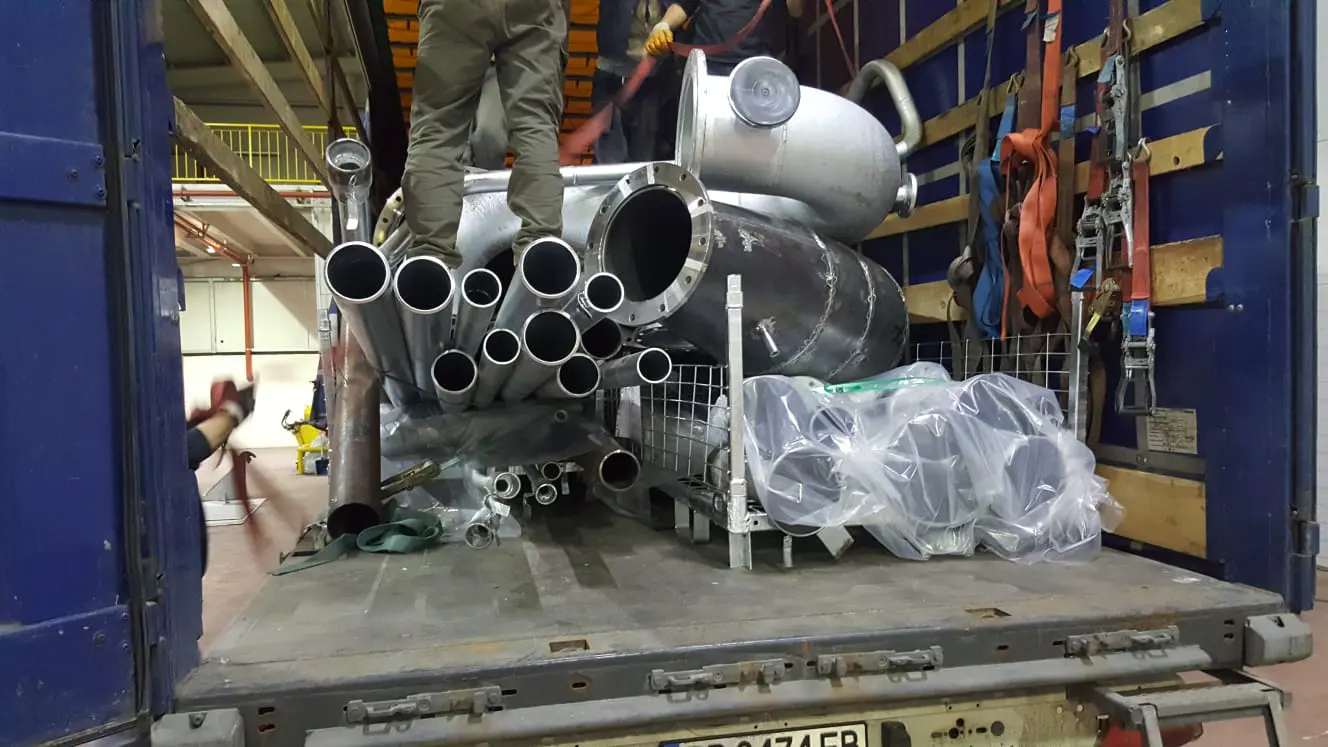
Pipe spool fabrication is of particular importance in the marine sector. This sector covers shipbuilding, offshore platforms and FPSOs. The limited space inside a vessel makes the use of prefabricated spools essential. Complex pipe routes and high safety standards also require this method. At shipyards, assembling thousands of spools in the correct sequence directly affects vessel delivery time. Spools produced to precise tolerances in the workshop allow fast assembly at the shipyard. Effective management of the pipe spool supply chain therefore plays a critical role in shipbuilding. This management prevents production delays.
Advantages of Prefabricated Pipe Spool Fabrication
- Cost and Time Savings: Parallel production in the workshop enables work independent of site conditions. This lowers labour costs and speeds up the project schedule.
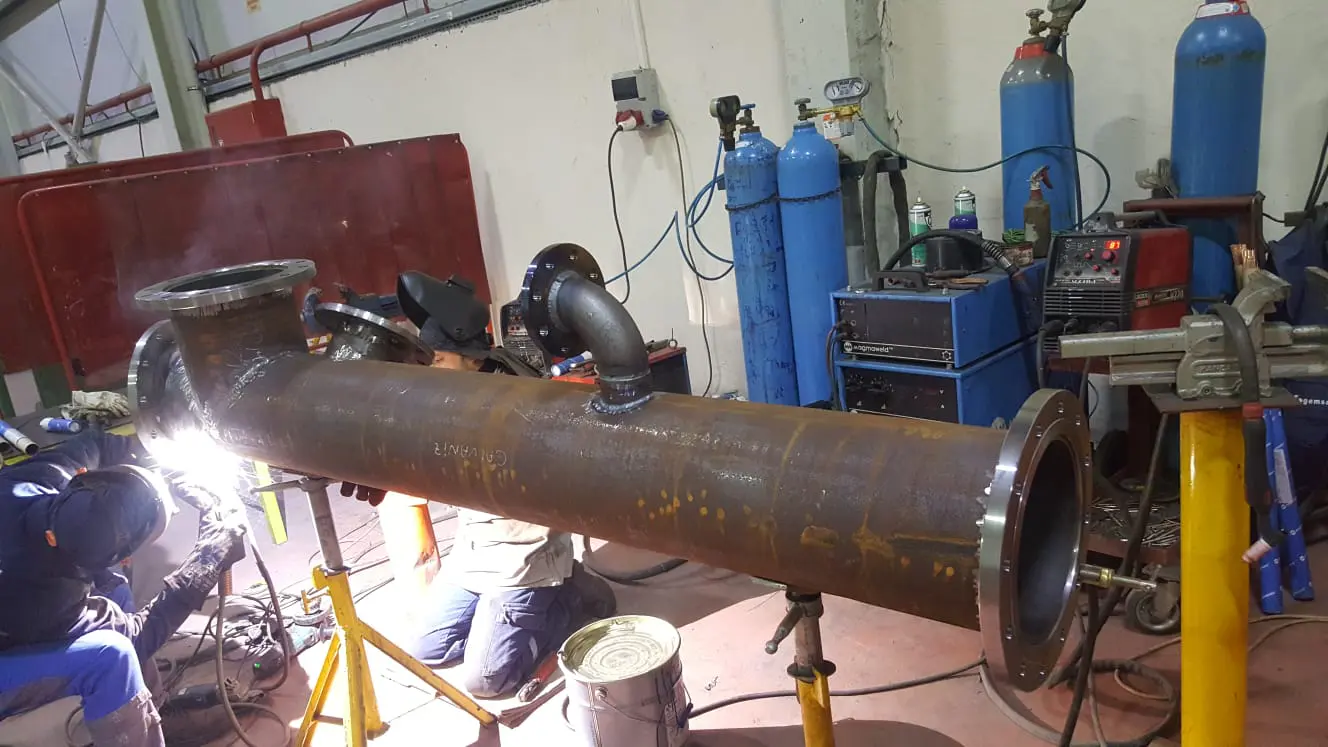
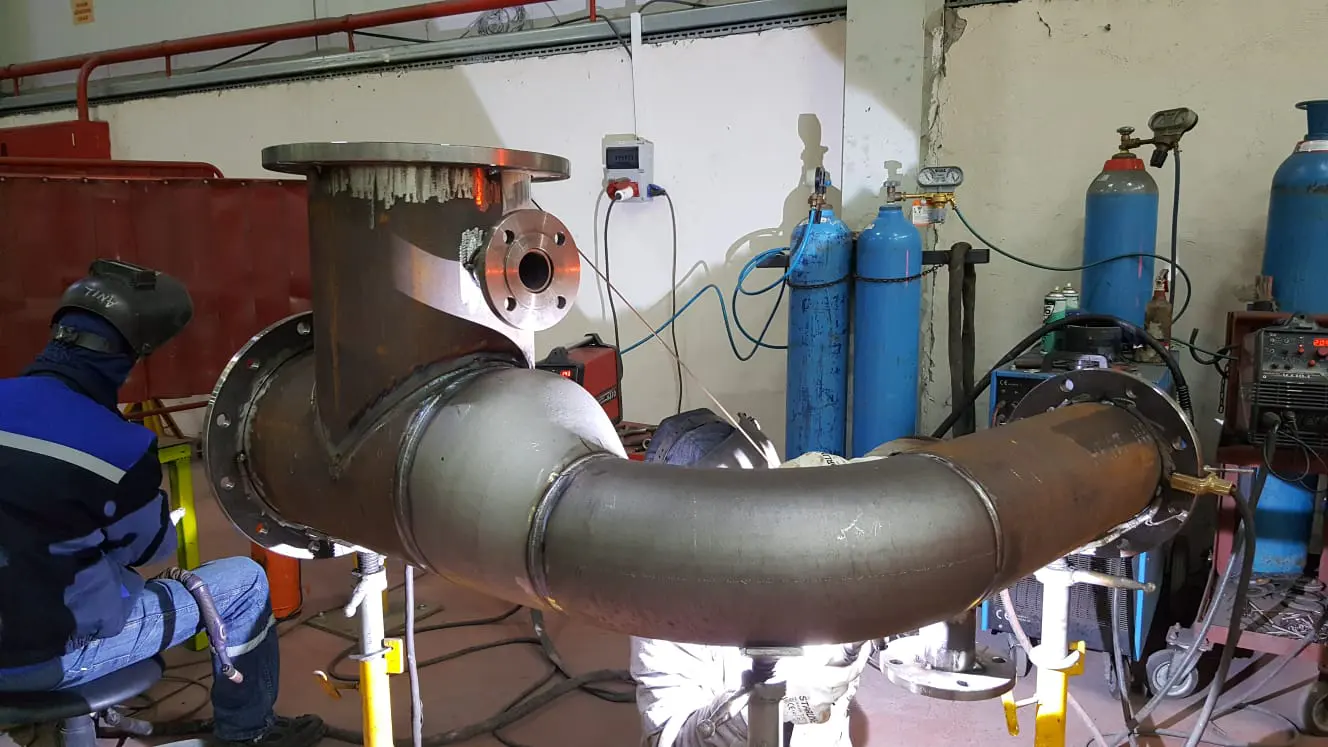
- High Weld Quality: Under controlled workshop conditions, welders work in the flat position (1G). This method delivers the high quality and consistency that cannot be achieved on site.
- Improved Safety: Welding and assembly work on site is reduced. Risks related to working at height, confined spaces and weather conditions are therefore minimized.
- Fast Site Integration: Spools that have been tested, labeled and painted in advance allow fast and trouble-free assembly on site.
- Material Optimization: Computer-aided cutting planning minimizes material waste. It also allows more efficient use of welds.
- Low NDT Rejection Rate: The rejection rate for workshop welds is 1-3%, while on site this rate rises to 5-10%.
- Dimensional Accuracy: The workshop environment, with advanced machinery and equipment, provides high dimensional accuracy.
Application Areas
| Industry / Area | Application Details |
|---|---|
| Shipbuilding and Marine | On-board piping systems, engine room piping, deck lines, offshore platform pipe spools. |
| Refinery and Petrochemical | Process piping, high-pressure steam lines, hydrocarbon transfer systems. |
| Power Plants | Steam and condensate lines, cooling water systems, fuel gas lines. |
| Chemical and Pharmaceutical | Stainless steel process lines, hygienic piping, chemical transfer systems. |
| Water and Wastewater Treatment | Filtration and pump station pipe spools, chemical dosing lines. |
| Nuclear Facilities | Piping systems requiring high safety, cooling circuits. |
| Cement and Glass Industry | Process piping, fuel and combustion air systems. |
Frequently Asked Questions
What is pipe spool fabrication?
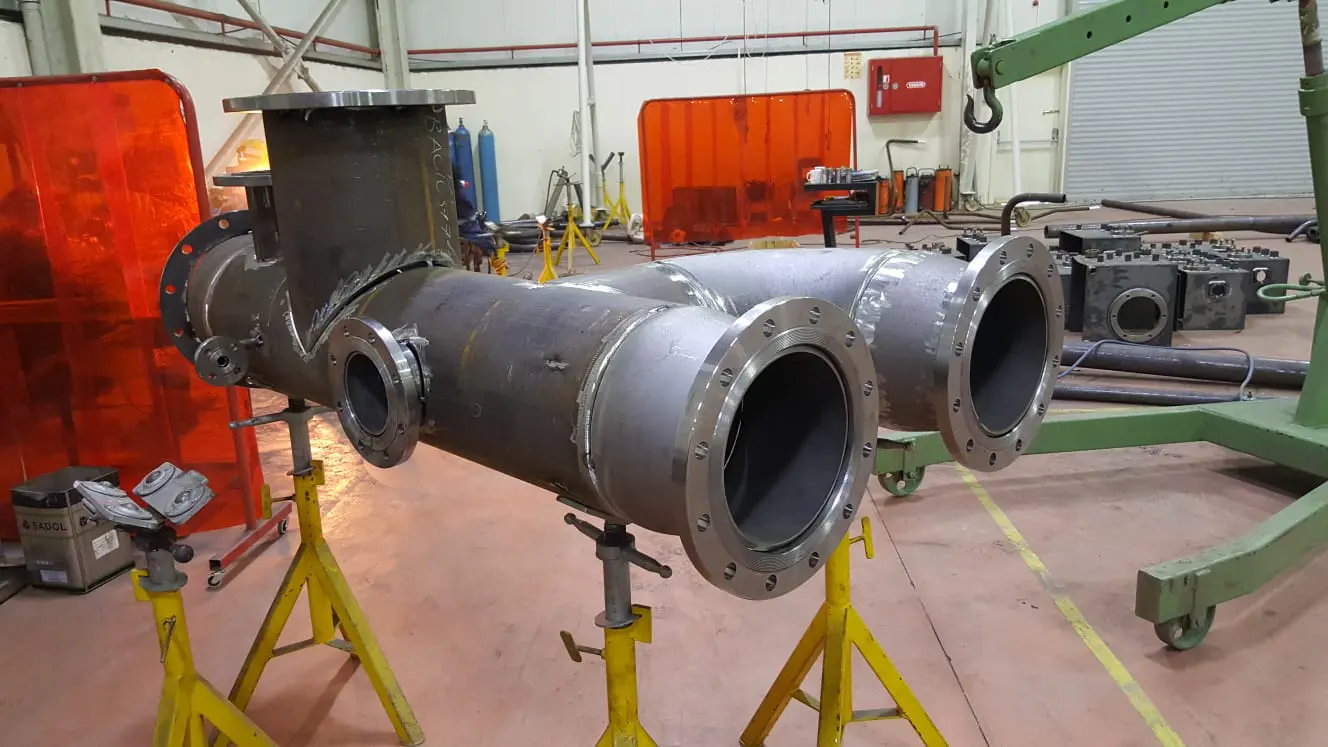
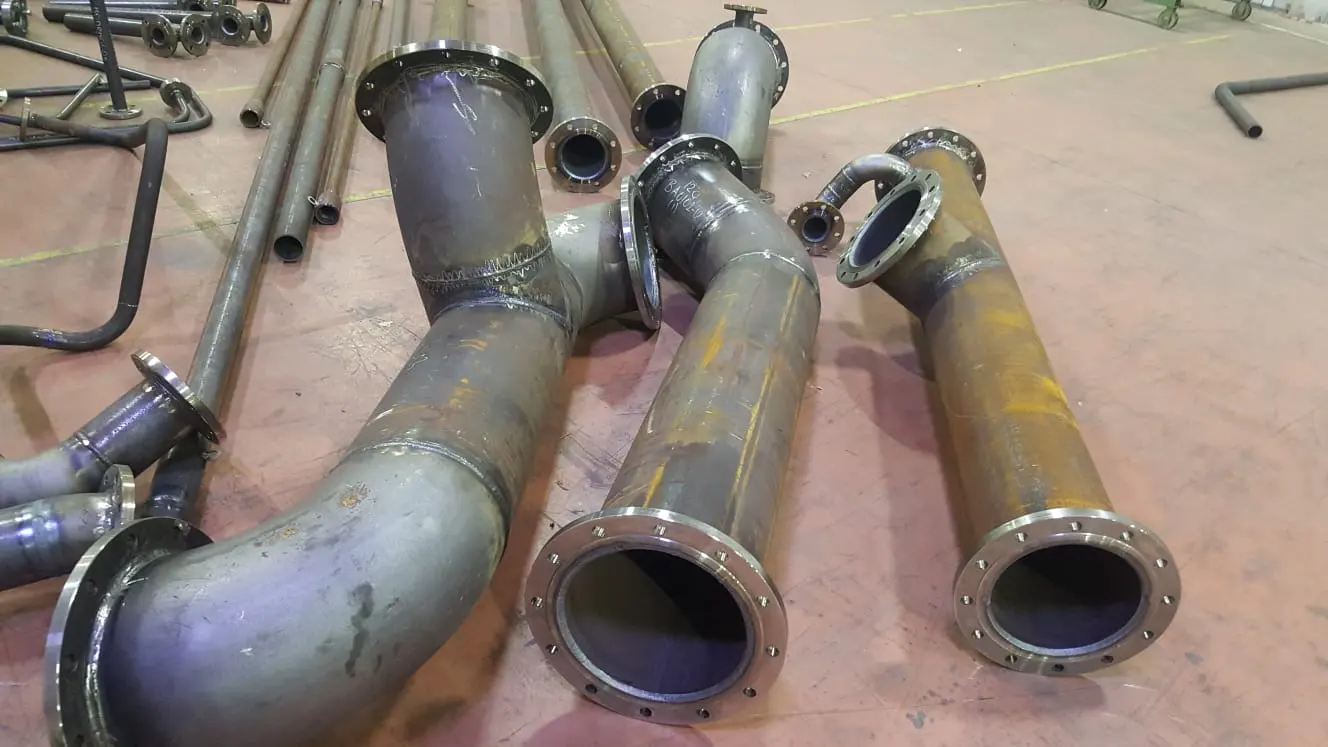
Pipe spool fabrication is the pre-production of a piping system in small sections (spools) in a workshop. Each spool can be easily transported and assembled. Fabricators cut, bend and weld pipe, fittings, flanges and fasteners according to technical drawings. This approach significantly reduces site work and project duration.
What are the advantages of prefabricated pipe spool fabrication?
Prefabricated pipe spool fabrication offers many advantages. First, parallel production in the workshop delivers significant cost and time savings. High quality and accuracy are also achieved under controlled conditions. In addition, safety improves because the workload on site is reduced. Spools tested in advance also enable fast site integration. Finally, material optimization minimizes waste.
To which standards do you fabricate pipe spools?
We comply with international standards in pipe spool fabrication. We use the ASME B31.3 standard for process piping. ASME B31.1 also applies to power plant piping. We apply EN 13480 for European industrial piping. In addition, we refer to NORSOK standards for offshore and marine applications. Our welding procedures comply with ASME Section IX. Moreover, all our welders are certified.
Which materials are used in pipe spool fabrication?
Four main material groups stand out in pipe spool fabrication. First, carbon steel is ideal for general industrial applications. Stainless steel (304/316) is also suitable for lines requiring corrosion resistance. Alloy steels (P11, P22, P91) withstand high temperature and pressure. Finally, duplex and super duplex steels are preferred for seawater environments. Project requirements determine the material selection.
Why is pipe spool fabrication important in marine projects?
Pipe spool fabrication is of critical importance in marine projects. The limited space inside a vessel, complex pipe routes and high safety standards make the use of prefabricated spools essential. Spools produced to precise tolerances in the workshop allow fast assembly at the shipyard. This shortens the vessel delivery time.
Gallery
Accelerate Your Project
Pipe spool fabrication is a strategic advantage in marine and industrial plant projects. This advantage shows itself in terms of time, cost and quality. Whether you are building a new plant or expanding an existing one, prefabricated spool solutions directly affect the success of your project.
Remember: Pipe spool fabrication is not simply cutting and welding pipe. Its essence is correct engineering, meticulous quality control and effective project management. Every spool manufactured with precision in the workshop takes its place on site safely and quickly. Your project therefore reaches its target on time and within budget.
Get in touch with our expert team. Let us plan pipe spool fabrication solutions tailored to your project together.
Related services: Pipe Installation · Steel Construction · Machinery Manufacturing · Pressure Vessel Fabrication · Industrial Maintenance