


Water Filtration Systems
The Quality of Your Water Is the Quality of Your Business
Water is the source of life in every field, from agricultural irrigation to industrial processes. However, the sediment, sand, organic matter, and contaminants it contains can damage your systems and products. Water filtration systems effectively remove unwanted particles from water, protecting both your equipment and improving your product quality. The right filtration solution directly affects your business efficiency and sustainability.
Main Components of a Water Filtration System
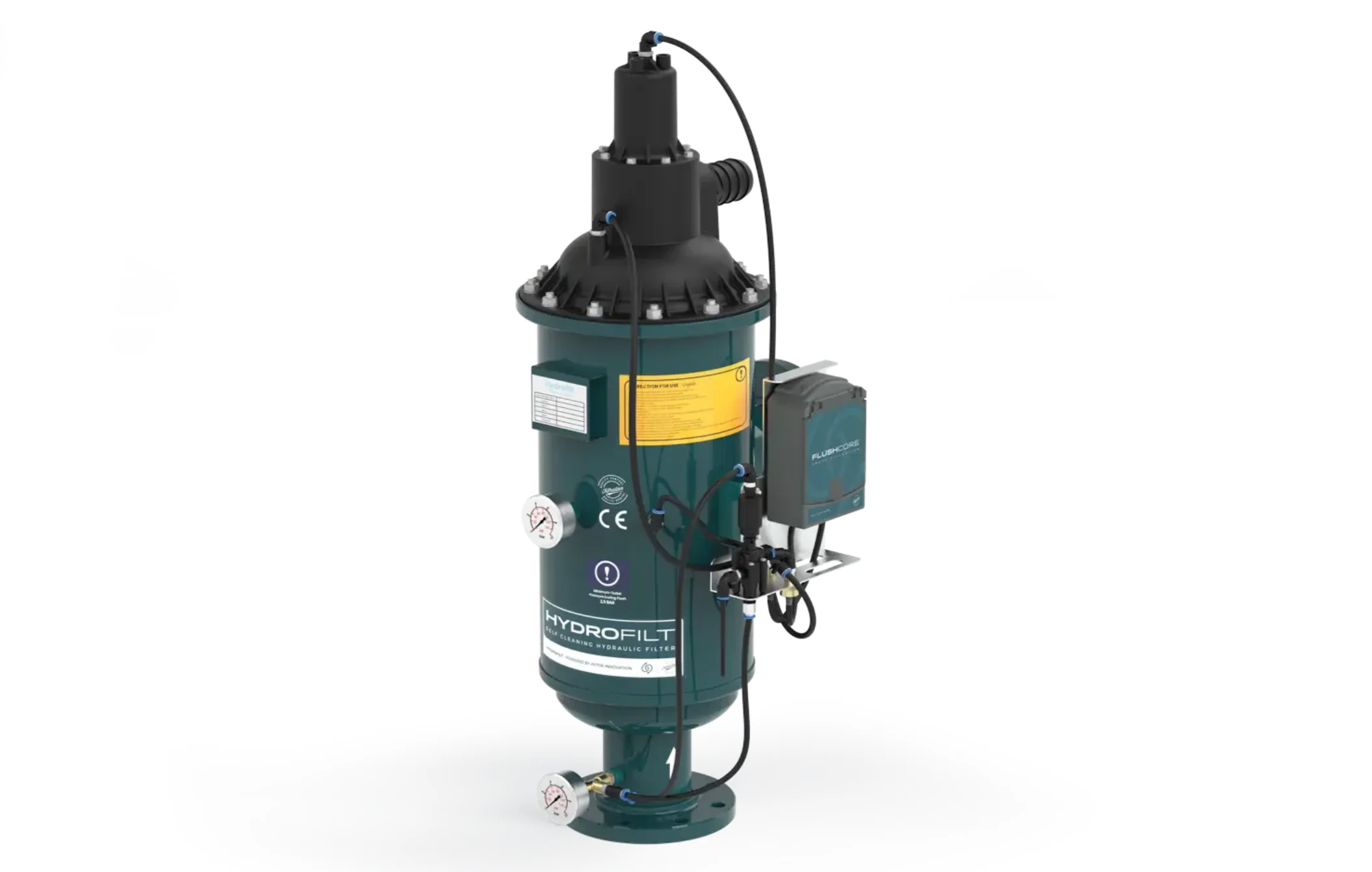
🔄 Automatic Filters
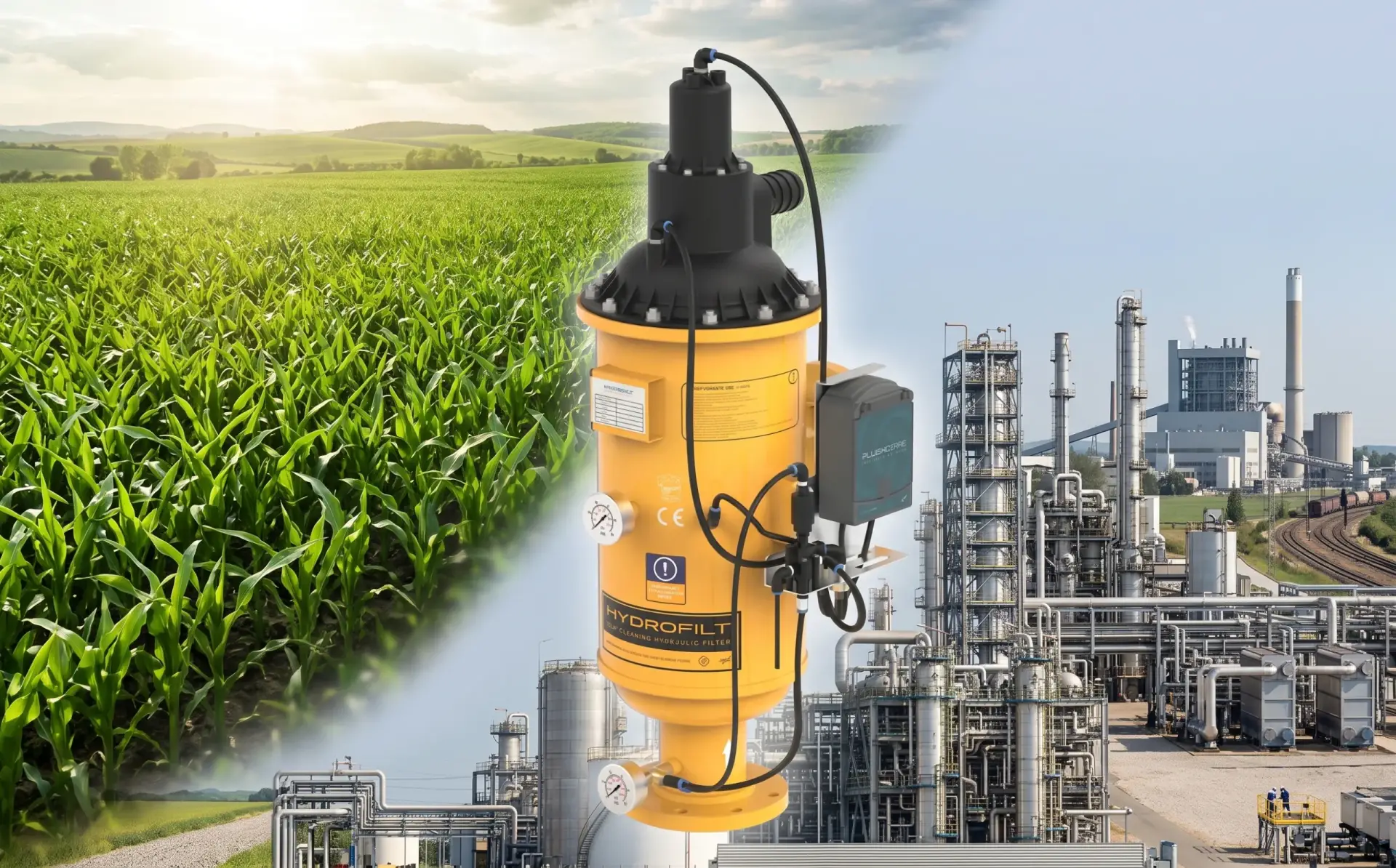
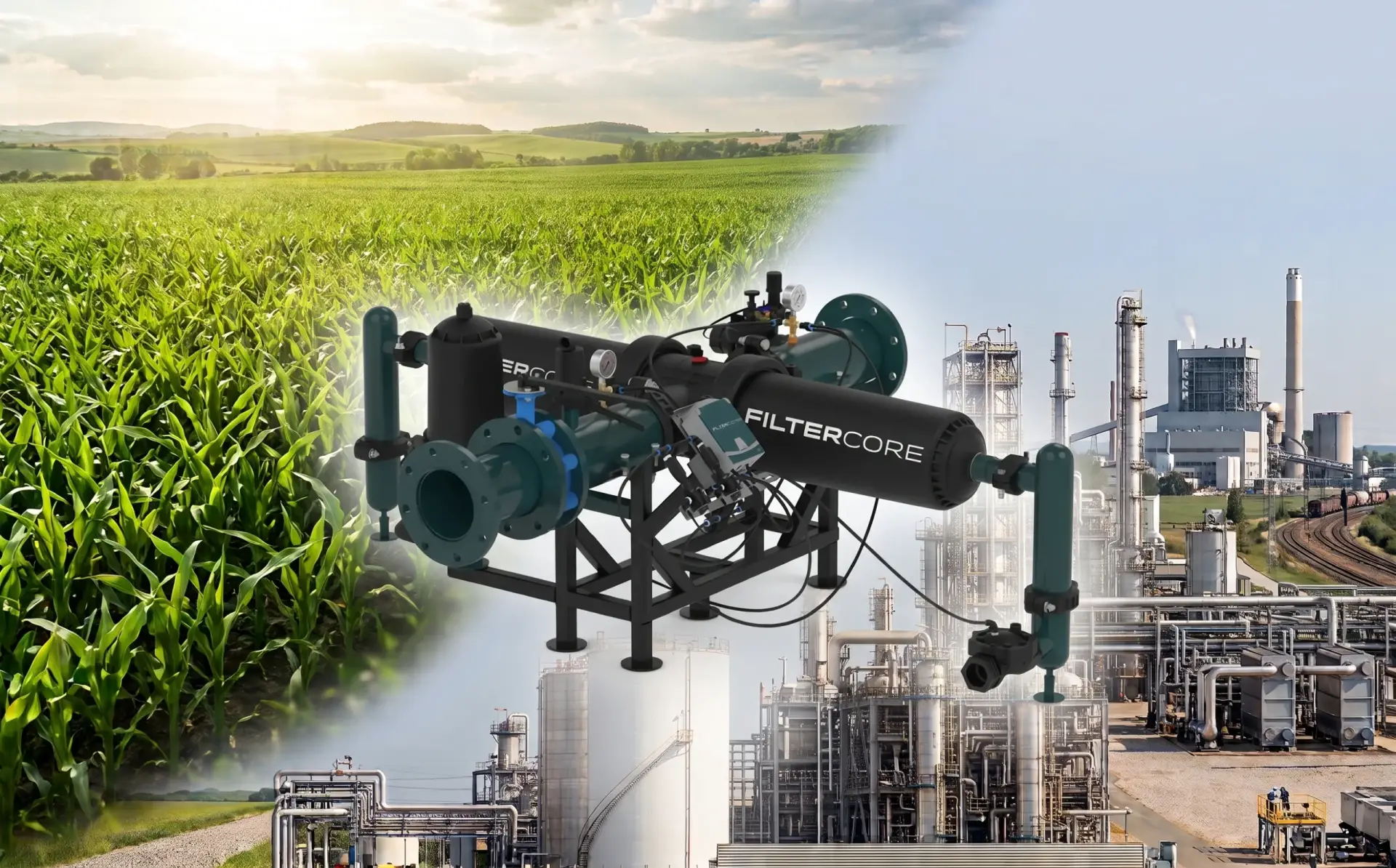
Automatic filters are smart systems that manage the filtration process without human intervention. Performing backwashing automatically according to a set program or pressure differential, these filters provide uninterrupted and efficient filtration. With screen filter, disc filter, and media & hydrocyclone options, they offer solutions suitable for every water source and capacity requirement. Automatic systems significantly reduce labor costs while keeping filtration quality constant.
Working Principle: Water enters through the inlet line and flows toward the filter outlet. During the cleaning process, the drain line functions as the discharge path for accumulated contaminants. The piston rod provides linear movement, allowing the nozzles to scan the surface of the filter screens during cleaning. When water enters the system, it first passes through a coarse screen for pre-filtration, then through a fine screen for further filtration. As water flows through the fine screen, particles are retained on its surface. During the cleaning cycle, these particles are sucked by the nozzles and carried to the cleaning collector. The turbine chamber is open to the atmosphere and houses the turbine that generates rotational movement to drive the nozzles. The combination of the linear movement of the piston rod and the rotational movement from the turbine ensures complete scanning of the screen surfaces. The hydraulic piston drives the piston rod. The engagement of the piston and the opening of the drain valve occur simultaneously.
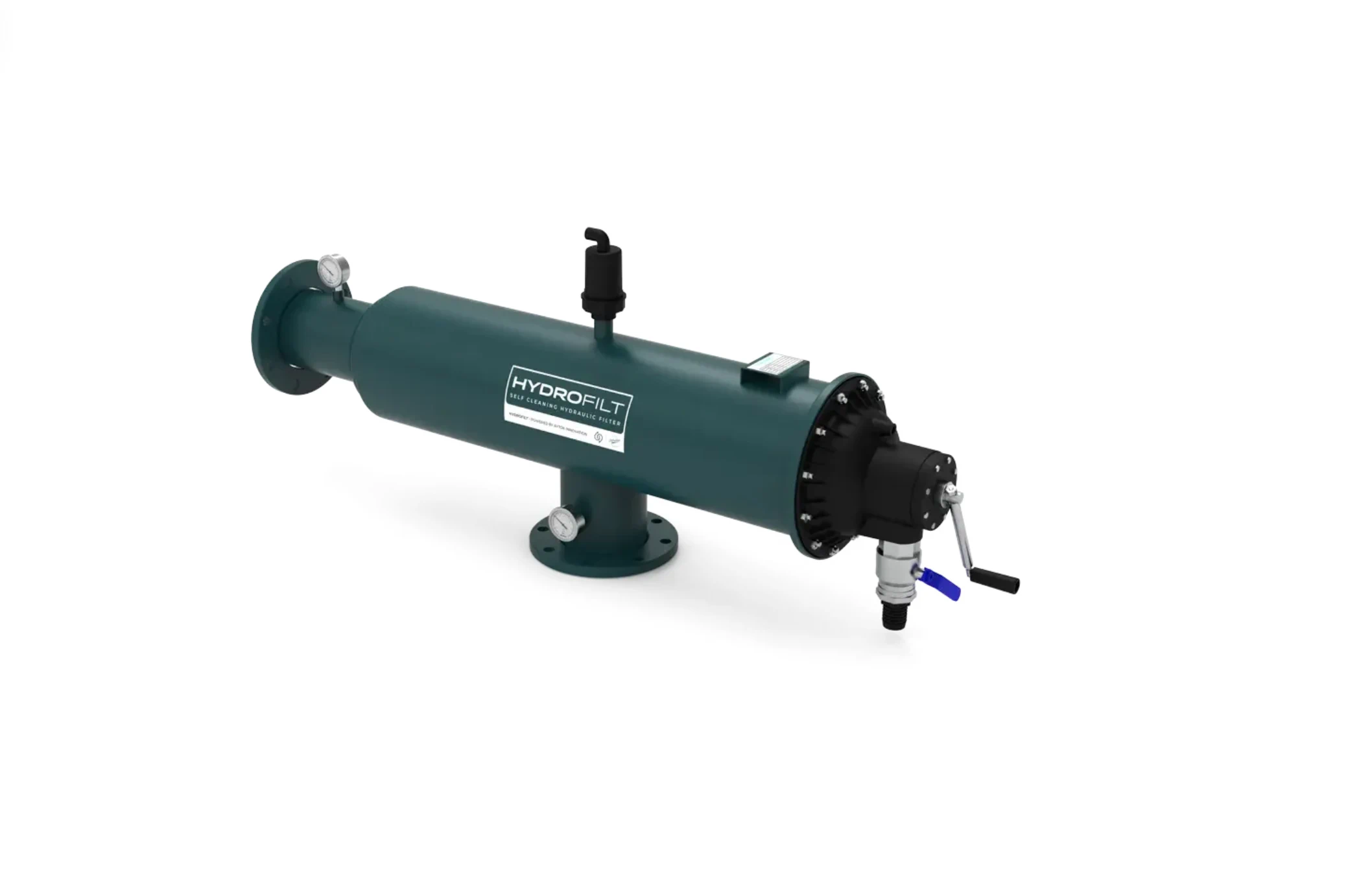
⚙️ Semi-Automatic Filters
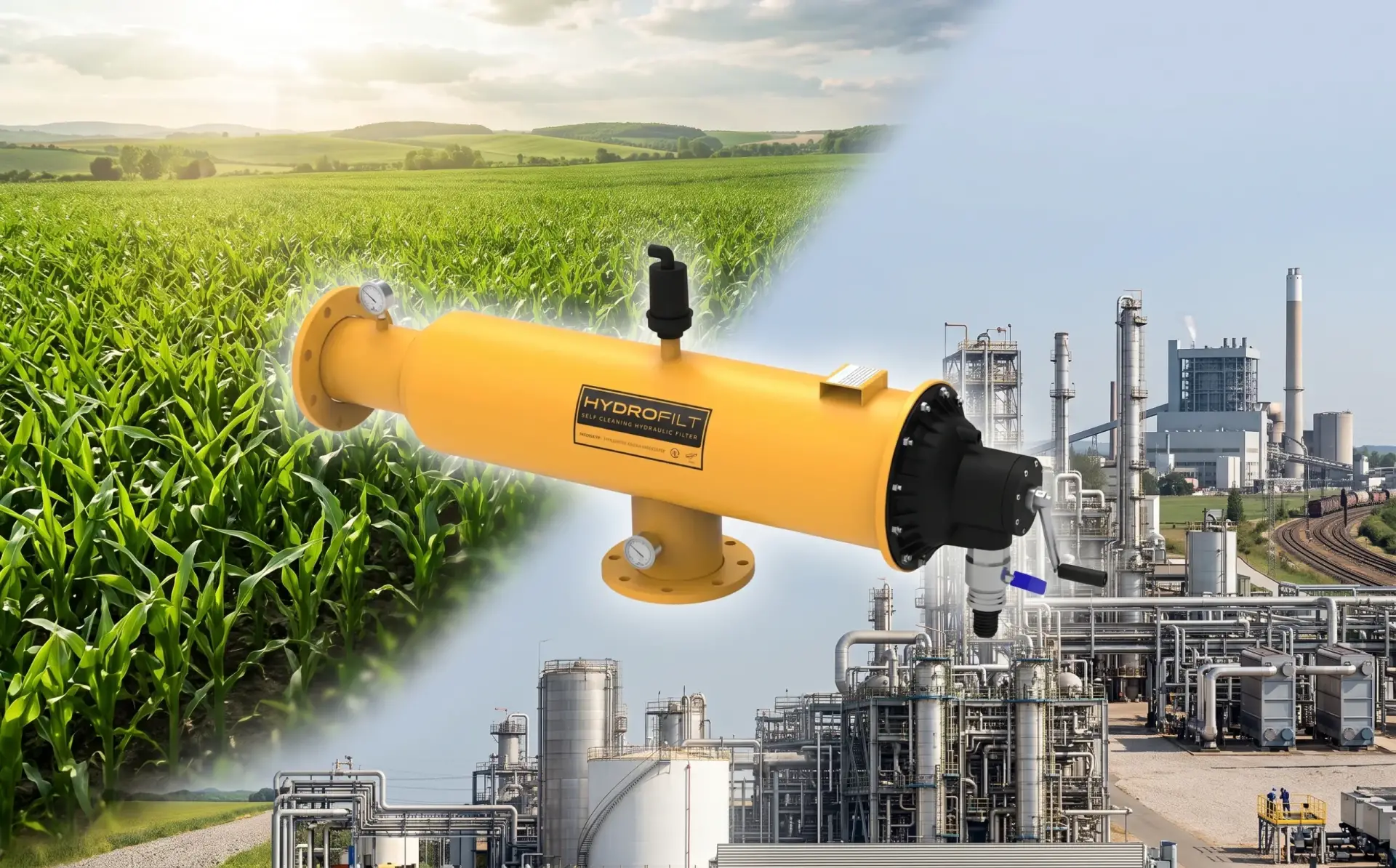
Semi-automatic filters offer a balanced solution between manual control and automatic cleaning. Although user intervention is required for the backwashing process, the cleaning process is fast and practical. Screen-type semi-automatic filters create an economical alternative for medium-scale agricultural irrigation and light industrial applications.
Working Principle: Water enters through the inlet line and flows toward the filter outlet. It first passes through a coarse screen for pre-filtration; then it passes through a fine screen where particles are retained on its surface. During the cleaning process, accumulated contaminants are discharged through the drain line. The handle kit creates both linear and rotational movement to drive the cleaning collector. In this way, the nozzles scan the entire surface of the fine screen, suctioning particles, which are then carried out through the collector. The combination of linear and rotational movements from the handle kit ensures complete scanning of the screen surfaces.
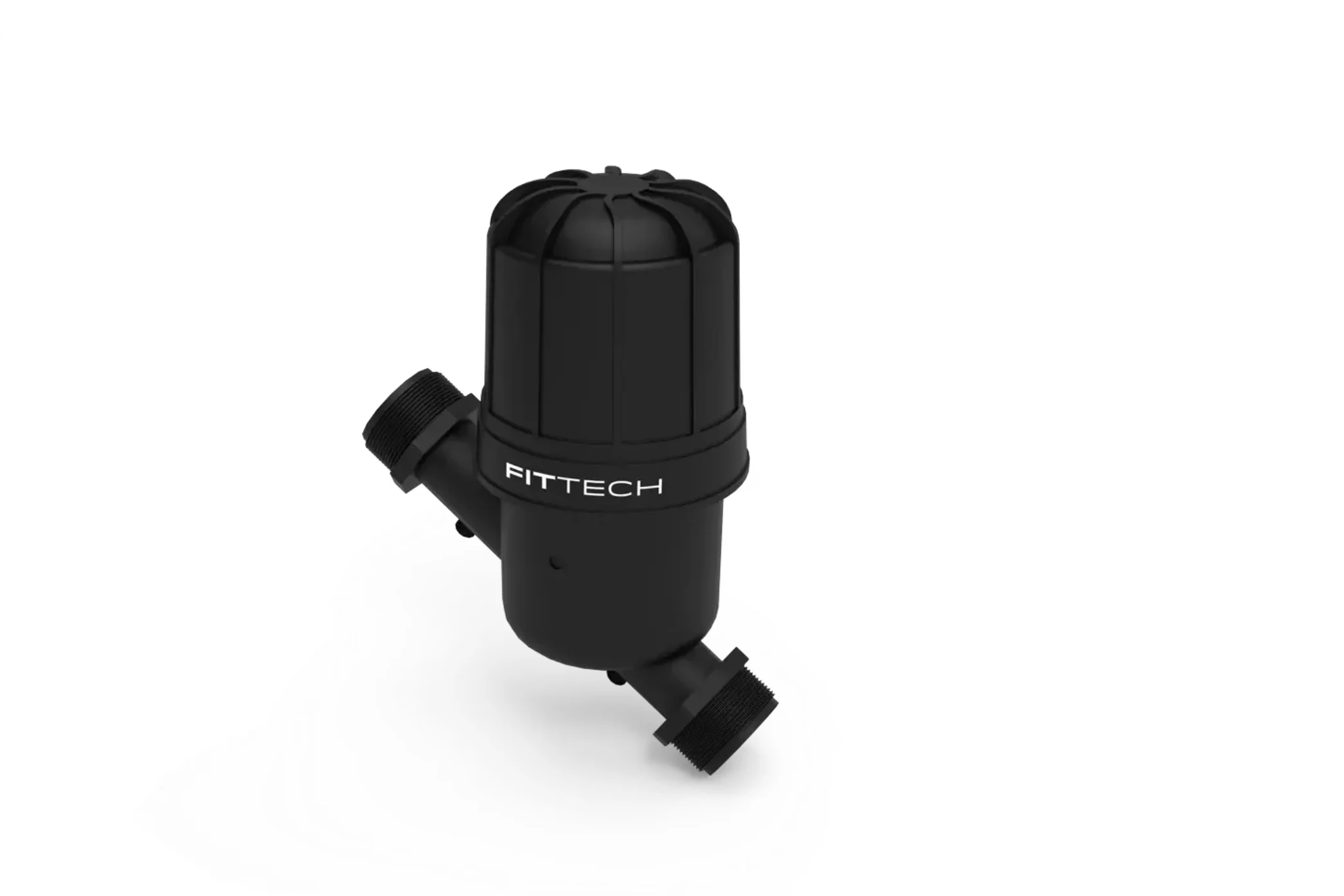
🔧 Manual Filters
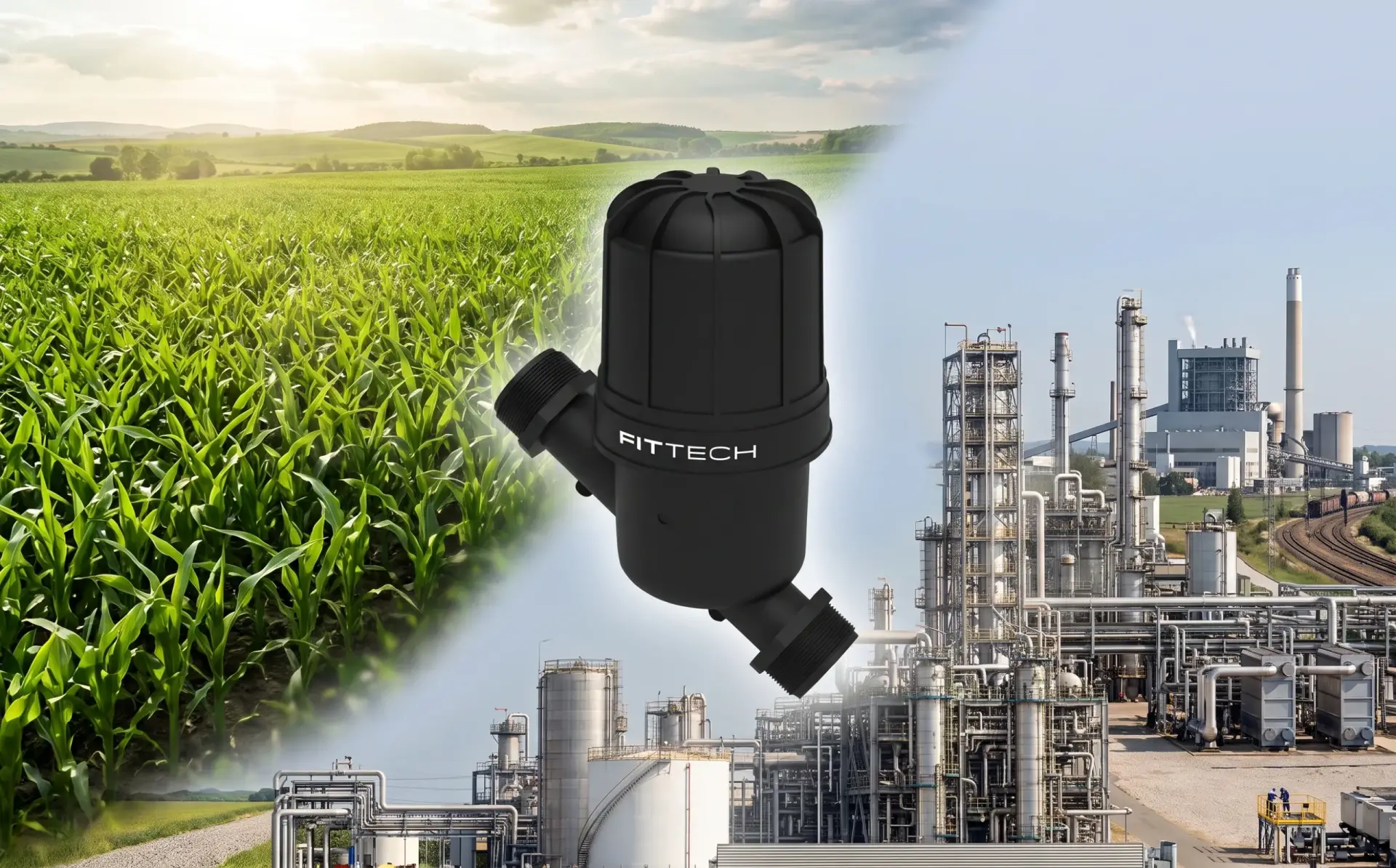
Manual filters are durable and economical solutions in which the cleaning process is done by hand. Screen and disc type manual filters are preferred in low-flow systems and applications where regular maintenance is possible. Thanks to their simple structure, the risk of failure is low, and they operate without problems for many years.
Working Principle: Water enters the filter and passes through the filter element (a fine screen). During operation, contaminants gradually accumulate on the surface of this element (inside the screens). This accumulation obstructs water flow and creates a pressure differential between the filter inlet and outlet. When this pressure differential reaches 0.7 bar, manual cleaning is required.
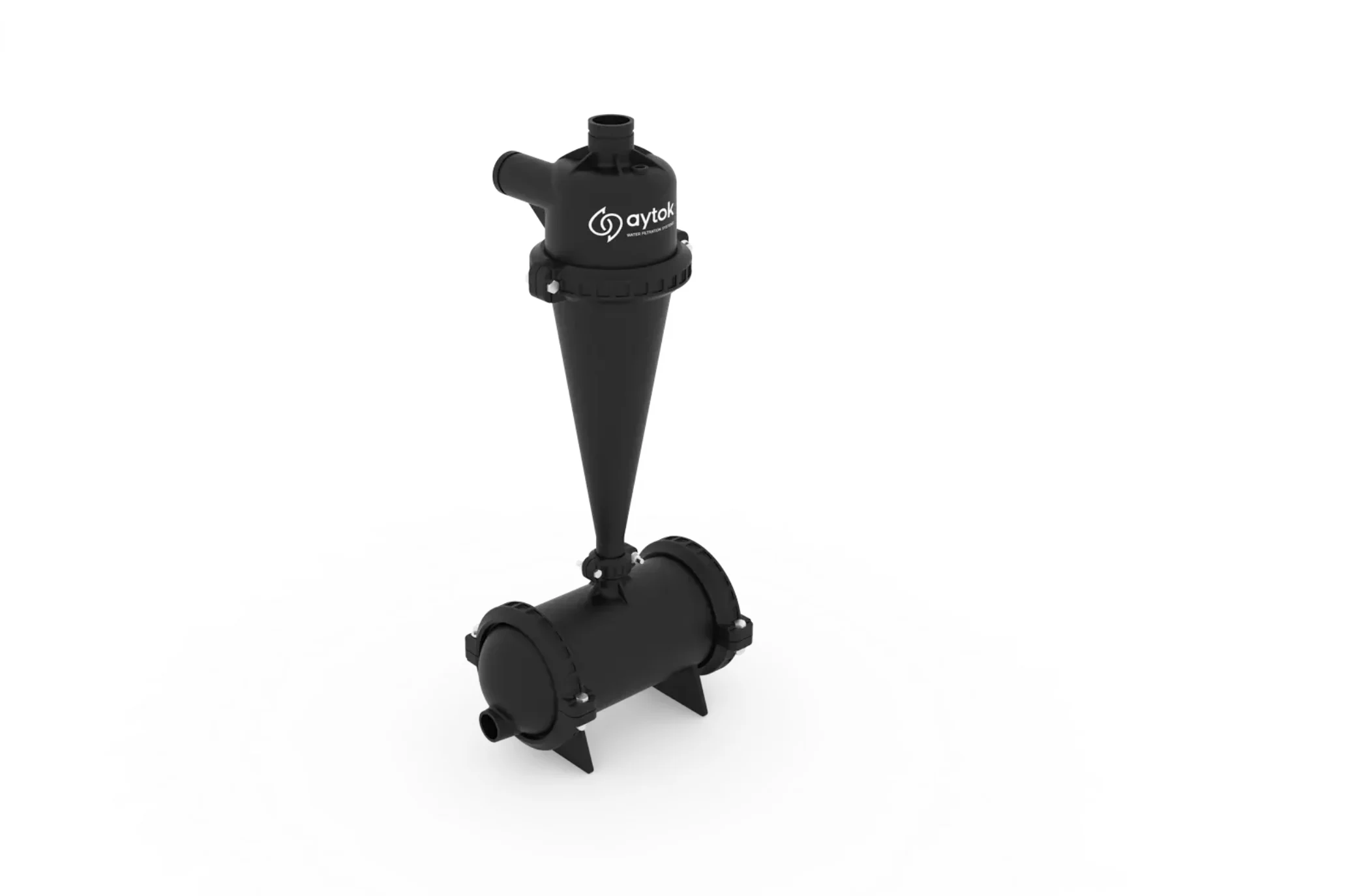
🏗️ Media Filters and Hydrocyclones
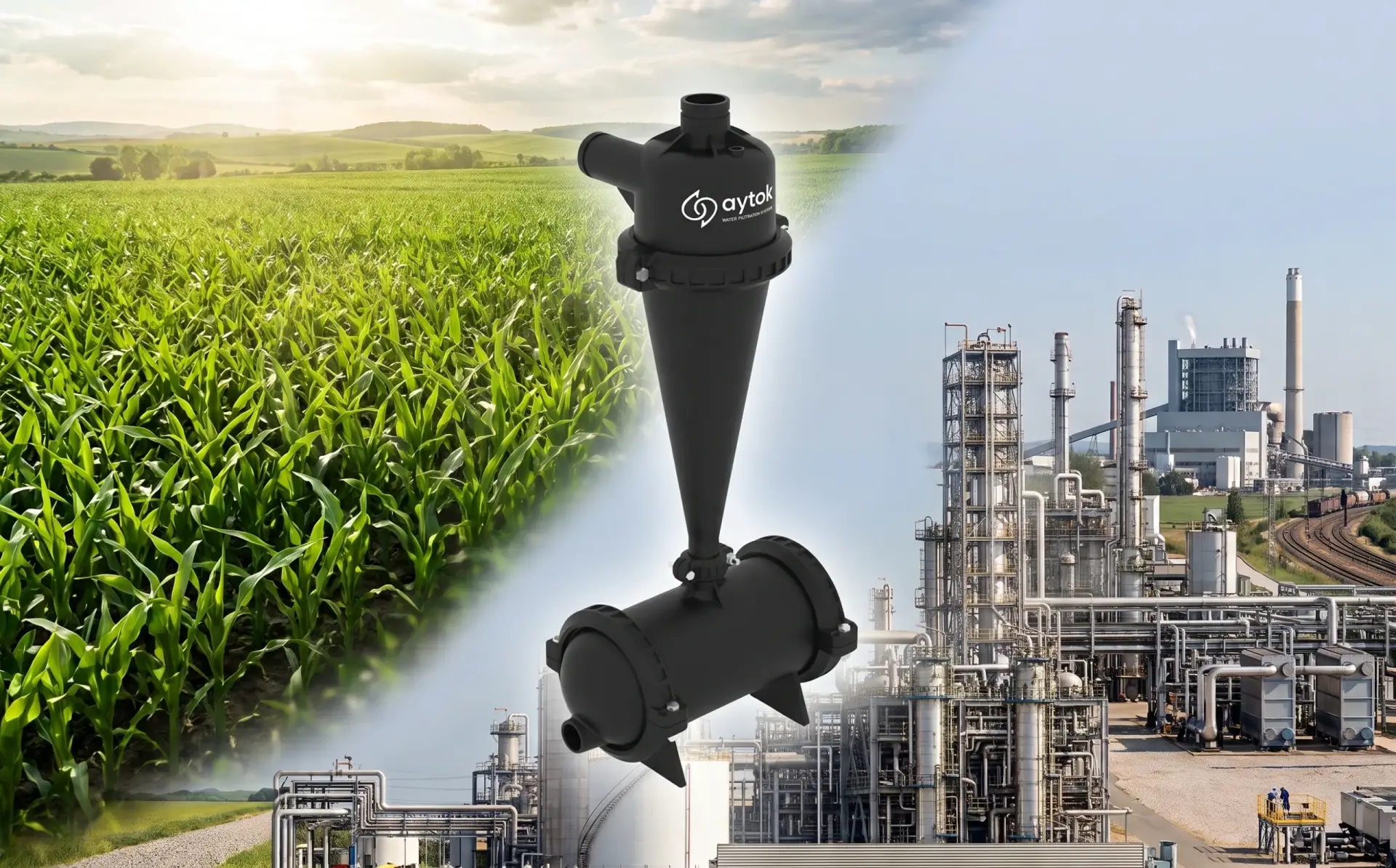
Media filters remove suspended solids and turbidity from water with the layered structure of filtration materials of different densities and sizes, such as sand, anthracite, and garnet. They offer high-capacity solutions for treating municipal water, well water, and industrial process water. Hydrocyclones, on the other hand, use centrifugal force to separate sand, gravel, and heavy particles from water; they are ideal for pre-filtration in sources with high sand content, especially well water and river water.
Working Principle: Hydrocyclone filters use the centrifugal force principle to separate suspended solids from liquids and do not use moving parts or filter media. When the water mixture enters the conical body of the hydrocyclone at high speed and a tangential angle, it creates a strong vortex. This rapid rotation throws heavier particles such as sand and silt against the outer wall, where they spiral downward and collect in a separation tank at the bottom. Meanwhile, the cleaner and lighter water is drawn upward through the center of the vortex and exits from the top outlet ready for use.
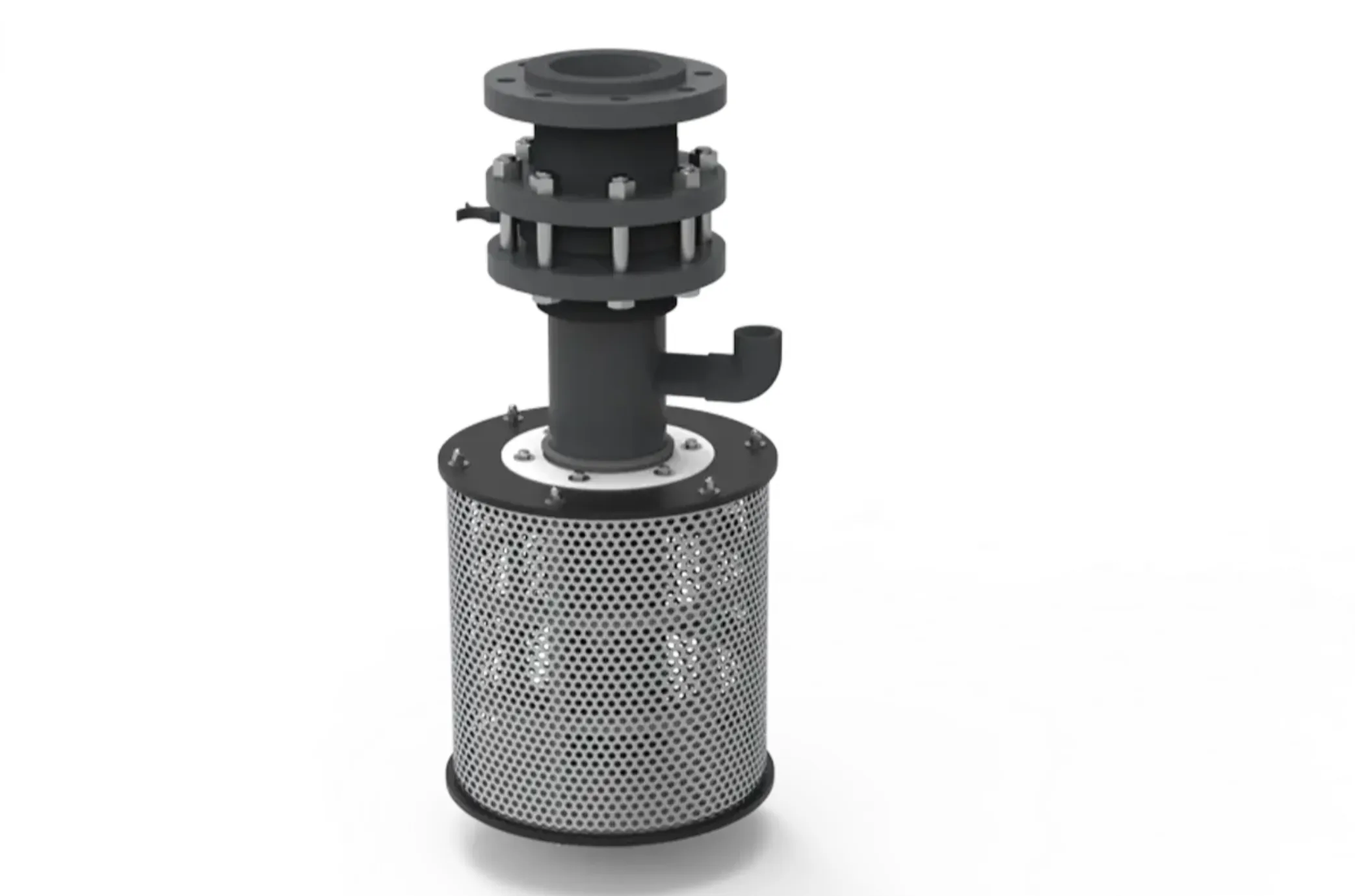
🛡️ Pump Protection Filters
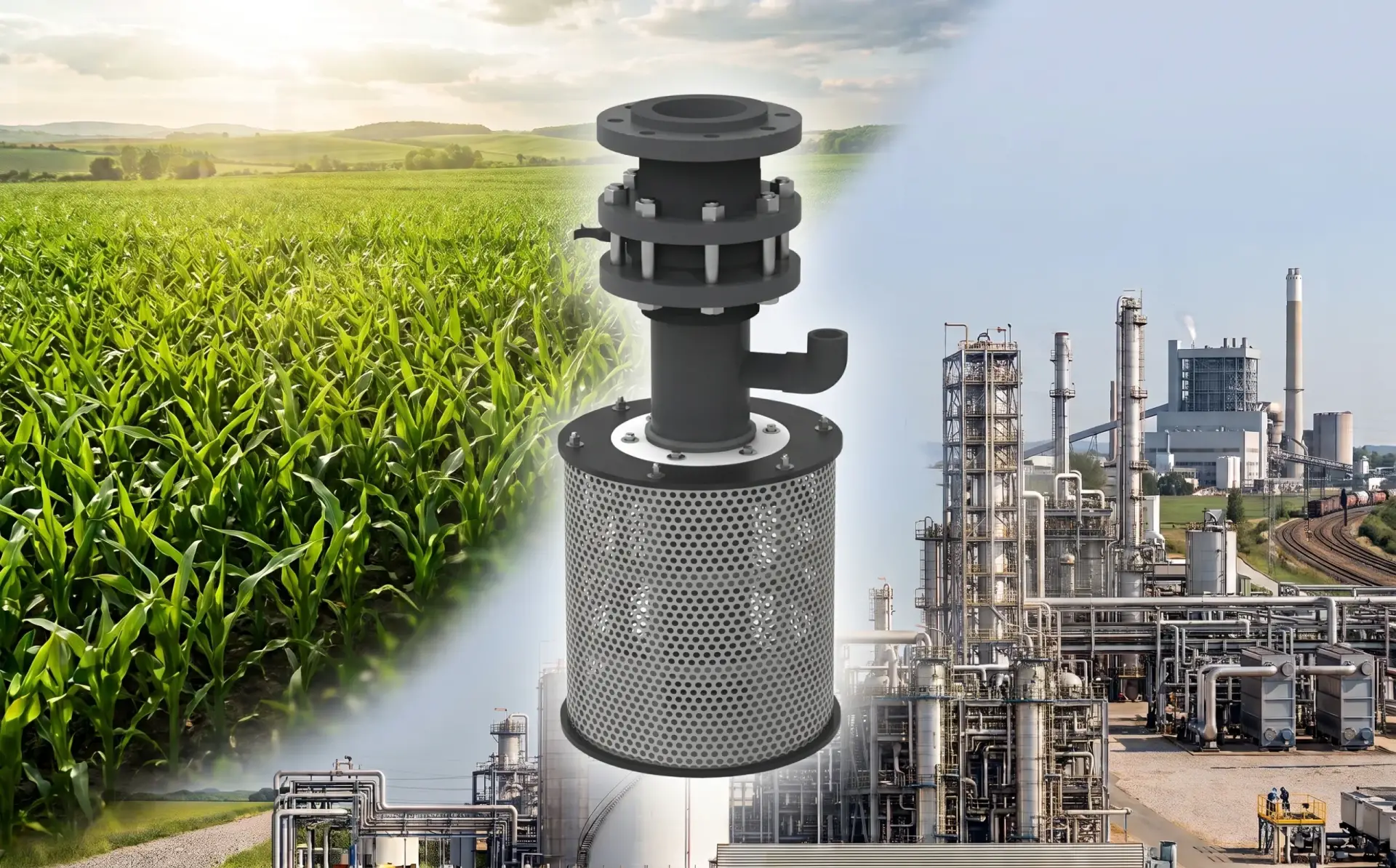
Pump protection filters protect the heart of your system. Placed before the pumps, these filters trap sand, stones, and foreign matter carried with the water, preventing wear and clogging of the pump impellers. In this way, pump life is extended, energy consumption is reduced, and failure-related downtime is minimized.
Working Principle: The DSF Suction Filter operates on the suction side of the pump and provides 2000-micron coarse filtration to protect the pump from large debris drawn from open water sources. Its main operating feature is a dynamic, continuously moving screen system designed to prevent clogging. This screen mechanism is hydraulically operated by a special auxiliary line connected to the pump's pressurized discharge. This auxiliary line is specifically designed to have a smaller diameter than the filter's main connection. This design ensures the generation of the necessary pressure and flow rate to reliably maintain continuous movement of the screen, allowing uninterrupted filtration.
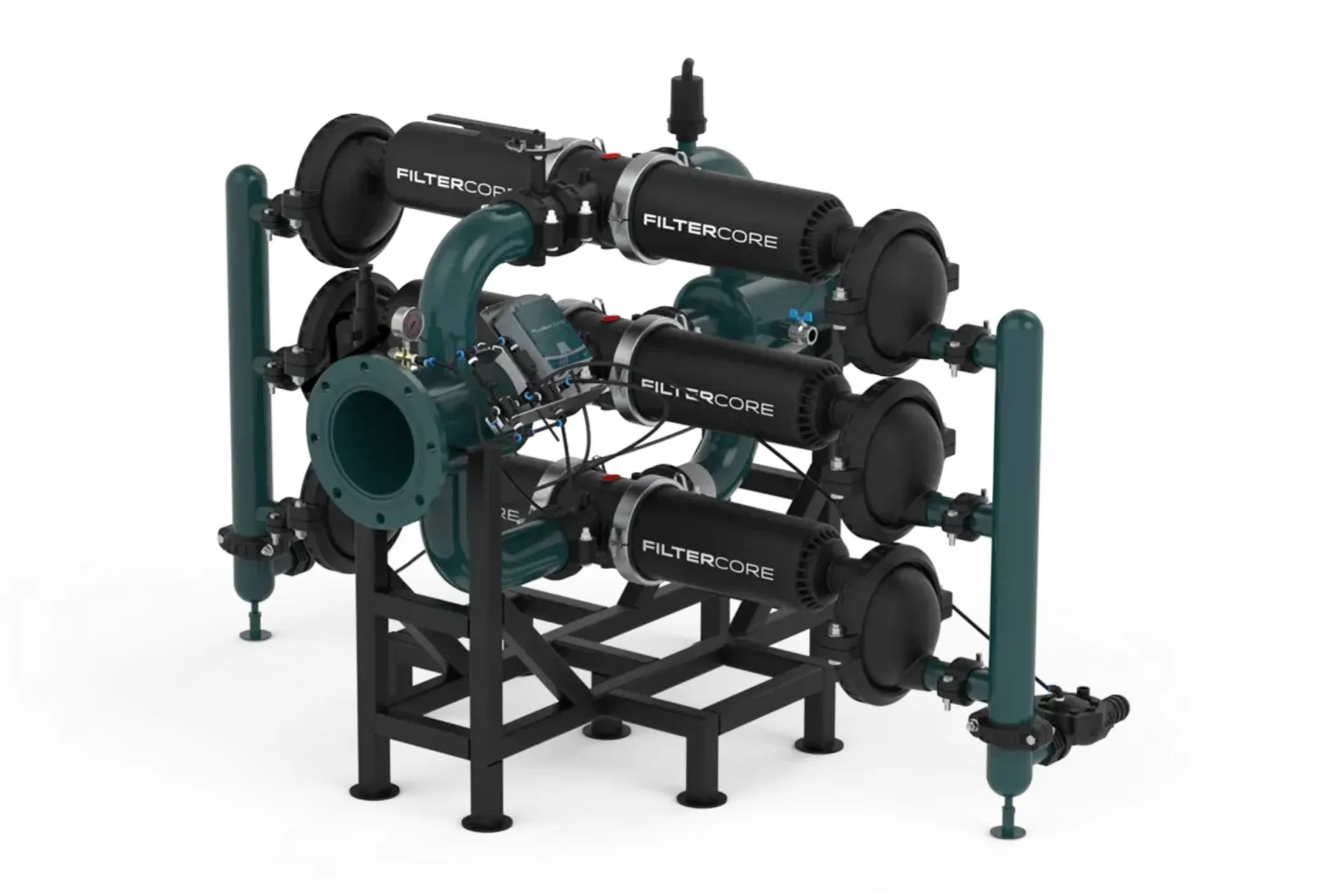
🌱 Systems
Filter Systems: Every water source and industrial process is unique. When your requirements regarding flow rate, pressure, contaminant load, or installation area exceed the technical specifications of our catalog products, our special engineering team takes over. As Aytok, we analyze your project's specific parameters and design and manufacture the most efficient, reliable, and perfectly integrated filtration system.
Key Parameters for Your Custom Design:
- Capacity / Flow Rate: The volume of water to be filtered; measured in m³/h.
- Filter Application Type: Indicates the filtration stage; for example, coarse (pre-filtration) for larger particles or fine (precision filtration) for smaller contaminants.
- Water Source: The source of the water to be filtered (e.g., Well Water, River Water, Sea Water).
- Water Contamination Level: The degree of suspended solids and impurities in the water (e.g., Low, Medium, High).
- Backwash Control Mode: The operating mode of the self-cleaning cycle, with options such as Automatic, Semi-Automatic, or Manual.
- Operating Pressure: The specified pressure range of the system, measured in bar.
- Filtration Rating: The filtration precision level measured in microns.
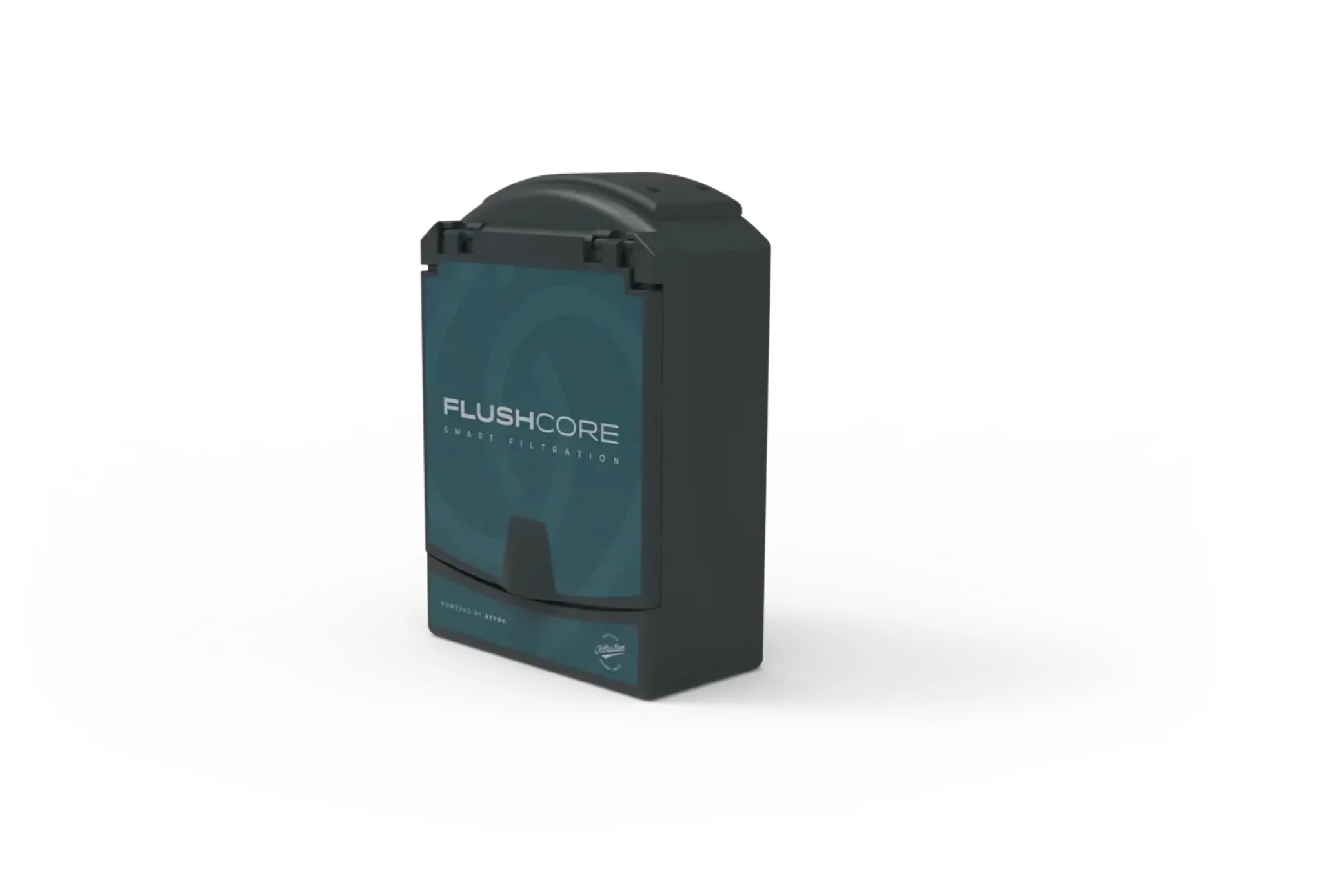
🖥️ Control Panels
Control panels are the brain of your filtration system. They manage automatic backwashing cycles, monitor pressure and flow values, and provide alarms in case of failure. With remote monitoring and automation features, you can control your system from your smartphone or computer and save significantly on labor.
Working Principle: Flushcore operates on a dual-trigger principle to provide smart and efficient filter backwashing. It automatically starts a cleaning cycle when either of two user-defined conditions occurs first (a specific pressure differential or a predefined time interval). All settings, including pressure threshold, time interval, and washing duration, can be easily configured through a user-friendly interface. The manual backwash function gives operators the option for on-demand cleaning, providing full control over the filtration system.
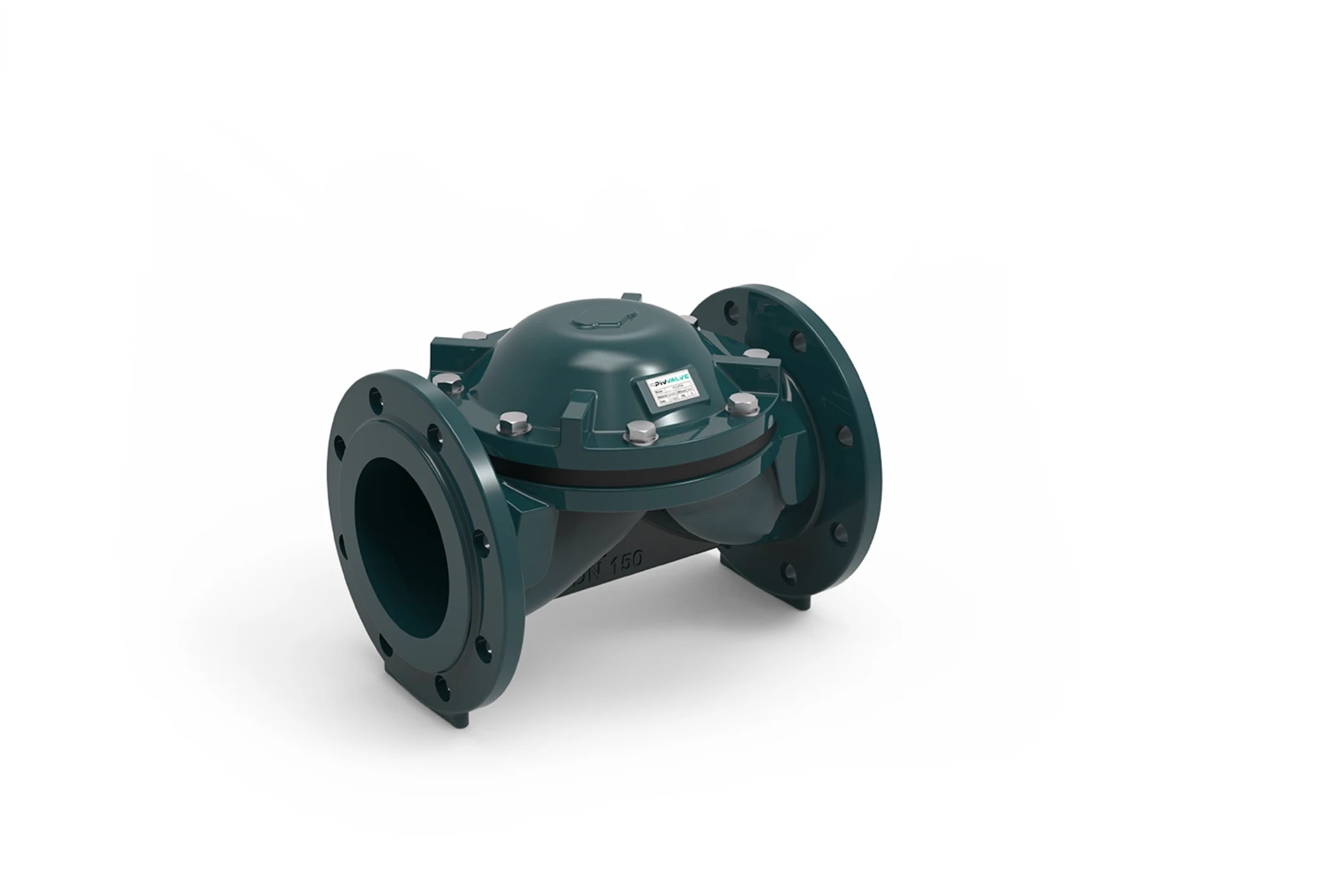
🚦 Valves
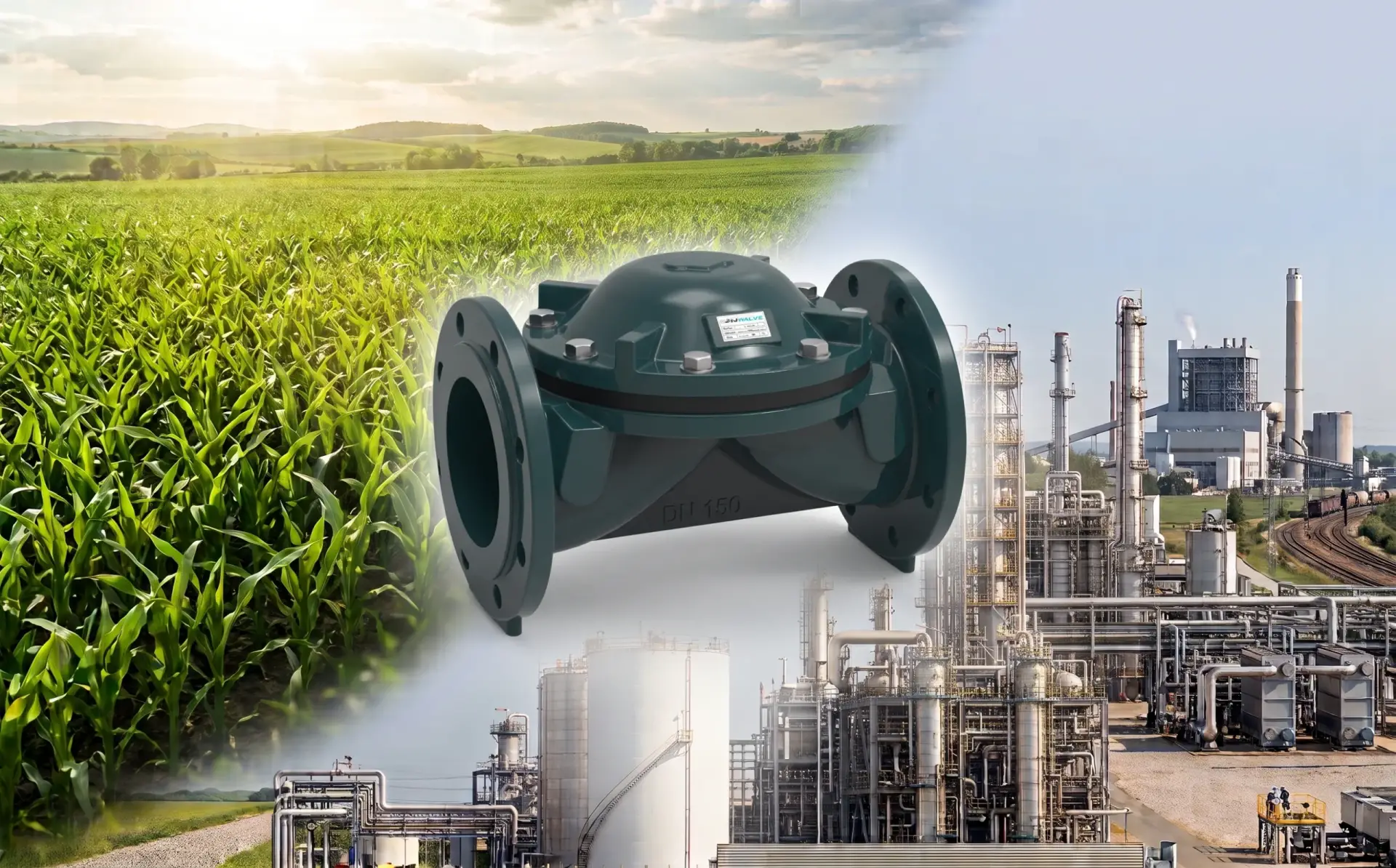
Valves: In complex water systems, precise and reliable control is not a luxury but a necessity. Our Cast Body Hydraulic Control Valves are designed to provide this precision by operating autonomously using only the energy of the line pressure. From simple on/off functions to complex pressure regulation and flow modulation, these valves form the versatile and robust core of your system and are ideal for demanding applications in irrigation, municipal water lines, and industrial processes.
Advantages:
- 🎯 Autonomous and Energy-Free Operation: Operates only with the line's own hydraulic pressure; it does not require external electrical or pneumatic supply. This makes installation easier, reduces operating costs, and ensures continuous operation even during power outages.
- 🎯 Versatile Multi-Functional Control: Performs multiple functions such as on/off control, pressure reduction, and flow modulation in a single compact unit, offering high flexibility in system design.
- 🎯 Stable Outlet Pressure: The precise pilot system maintains a constant and desired outlet pressure regardless of fluctuations in inlet pressure or flow, thus protecting downstream components.
- 🎯 Robust Cast Body Structure: Manufactured from heavy-duty cast materials and provides long-lasting performance and reliability under high pressure and demanding operating conditions.
- 🎯 Integrated Safety Features: Automatically closes when there is no line pressure, preventing damage that may occur during dry-run conditions and protecting pumps and connected systems.
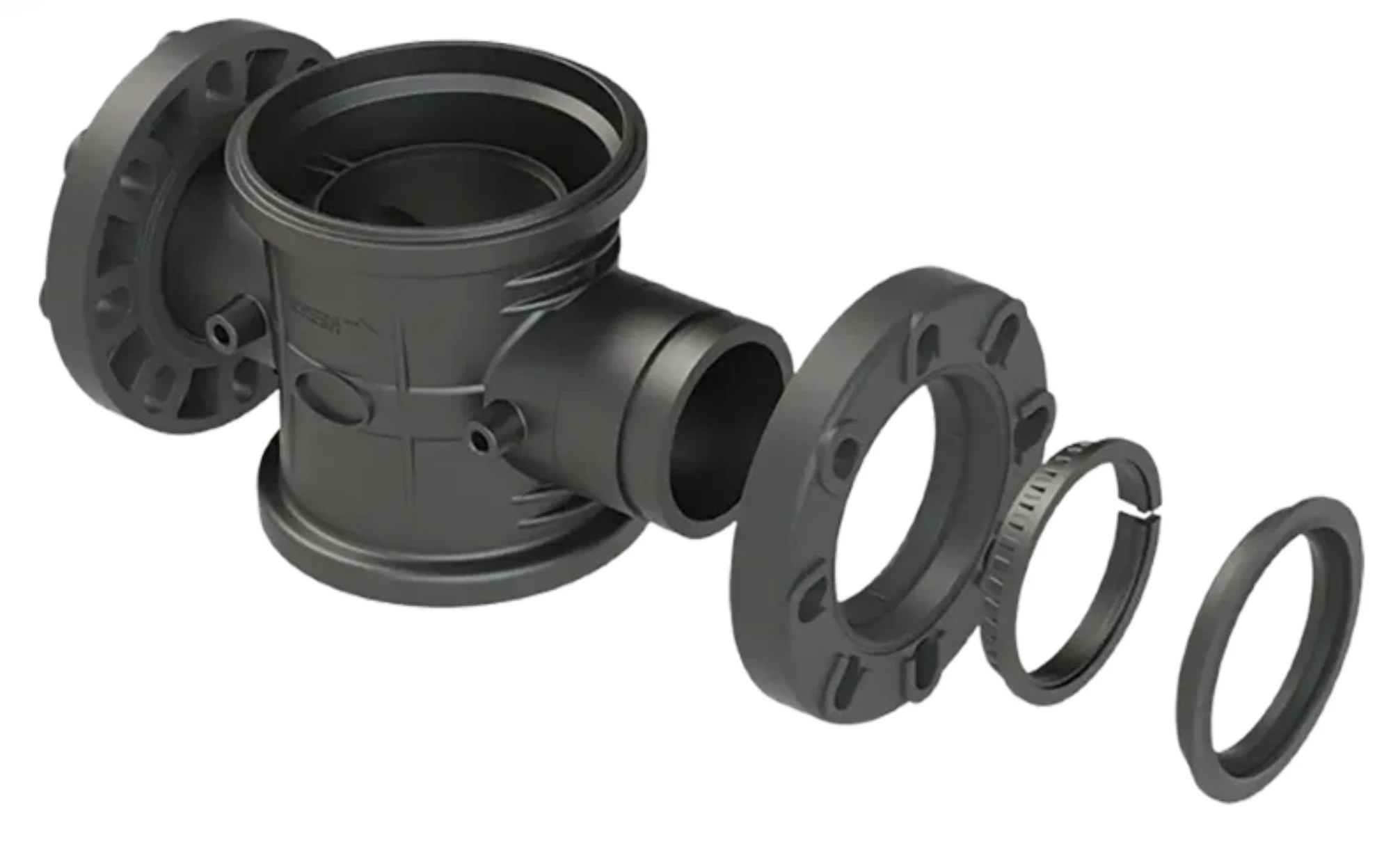
🔗 Accessories
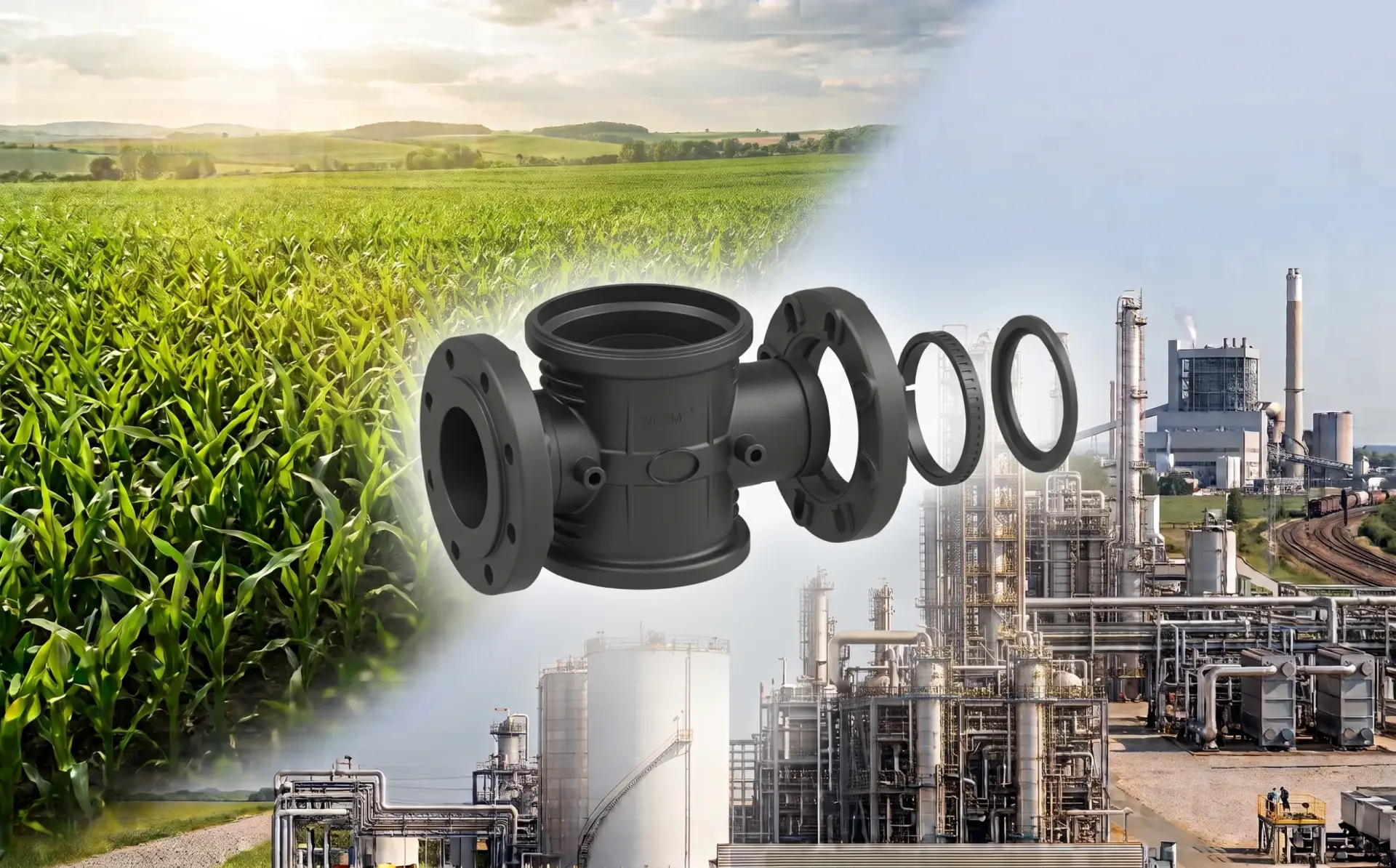
Accessories are complementary components that hold your filtration system together and enhance its performance. Products such as fittings, seals, clamps, pressure gauges, and flow meters guarantee the system's leak-tightness and measurement accuracy. Choosing quality accessories extends the life of your system and reduces the risk of failure.
Advantages of Water Filtration Systems
- Equipment Protection: Prevents wear of pumps, valves, and irrigation equipment due to sediment and sand, extending equipment life.
- Increased Product Quality: Quality and market value increase in products irrigated with clean water.
- Uninterrupted Operation: Thanks to automatic backwashing, filtration continues without stopping, and production is not interrupted.
- Labor Savings: Automatic systems eliminate the need for manual cleaning, reducing labor costs.
- Energy Efficiency: Unclogged filters operate with low pressure loss, reducing pump energy consumption.
- Long-Lasting and Durable: Provides reliable performance for years with corrosion-resistant materials and robust construction.
- Environmentally Friendly: Contributes to the protection of water resources by enabling water recovery and efficient use.
Application Areas
| Sector / Area | Application Details |
|---|---|
| Agricultural Irrigation | Prevents clogging of drippers in drip irrigation and sprinkler systems, increasing crop yield. |
| Greenhouse and Protected Cultivation | Provides clean water in greenhouse irrigation systems, reducing disease risk. |
| Municipal and Urban Water | Used in drinking water treatment plants for pre-filtration and process water preparation. |
| Industrial Processes | Provides equipment protection in cooling tower, boiler feed, and process water lines. |
| Food and Beverage | Improves the quality of water used in production lines and supports product safety. |
| Mining and Construction | Provides pump and equipment protection in water with high sand content. |
Frequently Asked Questions
What is a water filtration system?
A water filtration system is a treatment system that improves water quality by removing suspended solids, sediment, sand, organic components, and contaminants through physical or chemical methods. It has a wide range of uses from agricultural irrigation to industrial processes.
What is the difference between an automatic filter and a manual filter?
Automatic filters perform the backwashing process by themselves and require no human intervention. Manual filters require manual intervention for cleaning. Automatic systems reduce labor costs and provide uninterrupted filtration.
What is the difference between a disc filter and a screen filter?
Disc filters provide high dirt-holding capacity by filtering water through micro-passages between stacked discs. Screen filters operate with lower pressure loss using stainless steel or synthetic mesh. Both meet different filtration needs.
When is a sand filtration system used?
Sand filtration systems are used to treat water with high turbidity and suspended solids. They are widely preferred for pre-treatment of municipal water, well water, river water, and industrial process water.
What does a hydrocyclone filter do?
Hydrocyclone filters use centrifugal force to separate sand, gravel, and heavy particles from water. They are especially used for pre-filtration in sources with high sand content such as well water and river water.
Invest in the Future with Clean Water
Water filtration systems are not just an equipment investment, but also a strategic step for the sustainability and efficiency of your business. In the face of increasing water scarcity and quality standards, the right filtration solution protects both your equipment and guarantees your product quality.
Remember: Even if you install the best pump and the most advanced irrigation system, the secret lies in clean water. The right filtration does not only treat water; it also protects your earnings, your efficiency, and your future.
Contact our expert team, and let's design a water filtration system tailored to your needs together.